2026 | Professional

Hendrik Baskeweg
Entrant
Kokon Architectuur & Stedenbouw
Category
Residential Architecture - Historical Residential Restoration
Client's Name
Helder Vastgoed
Country / Region
Netherlands
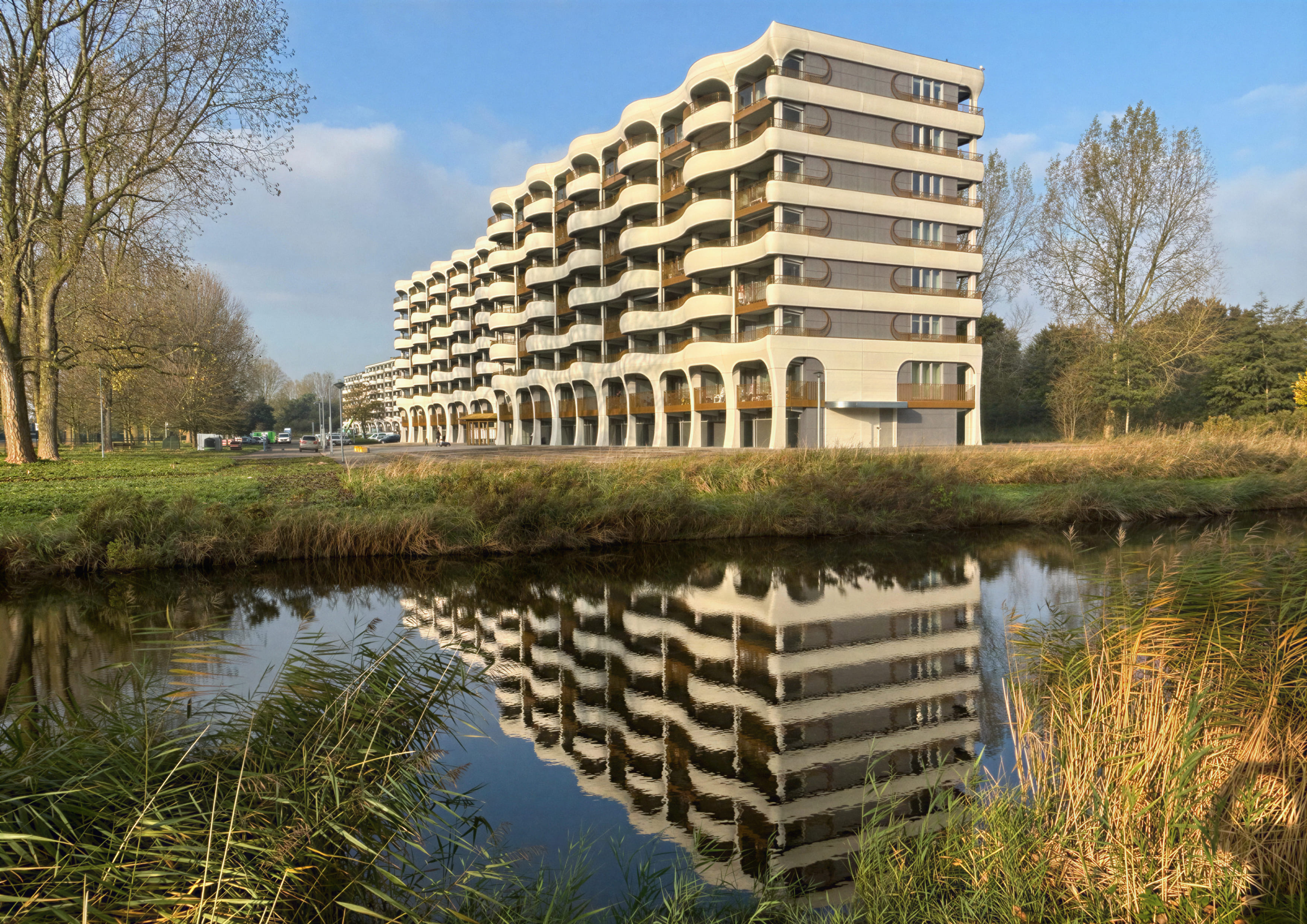
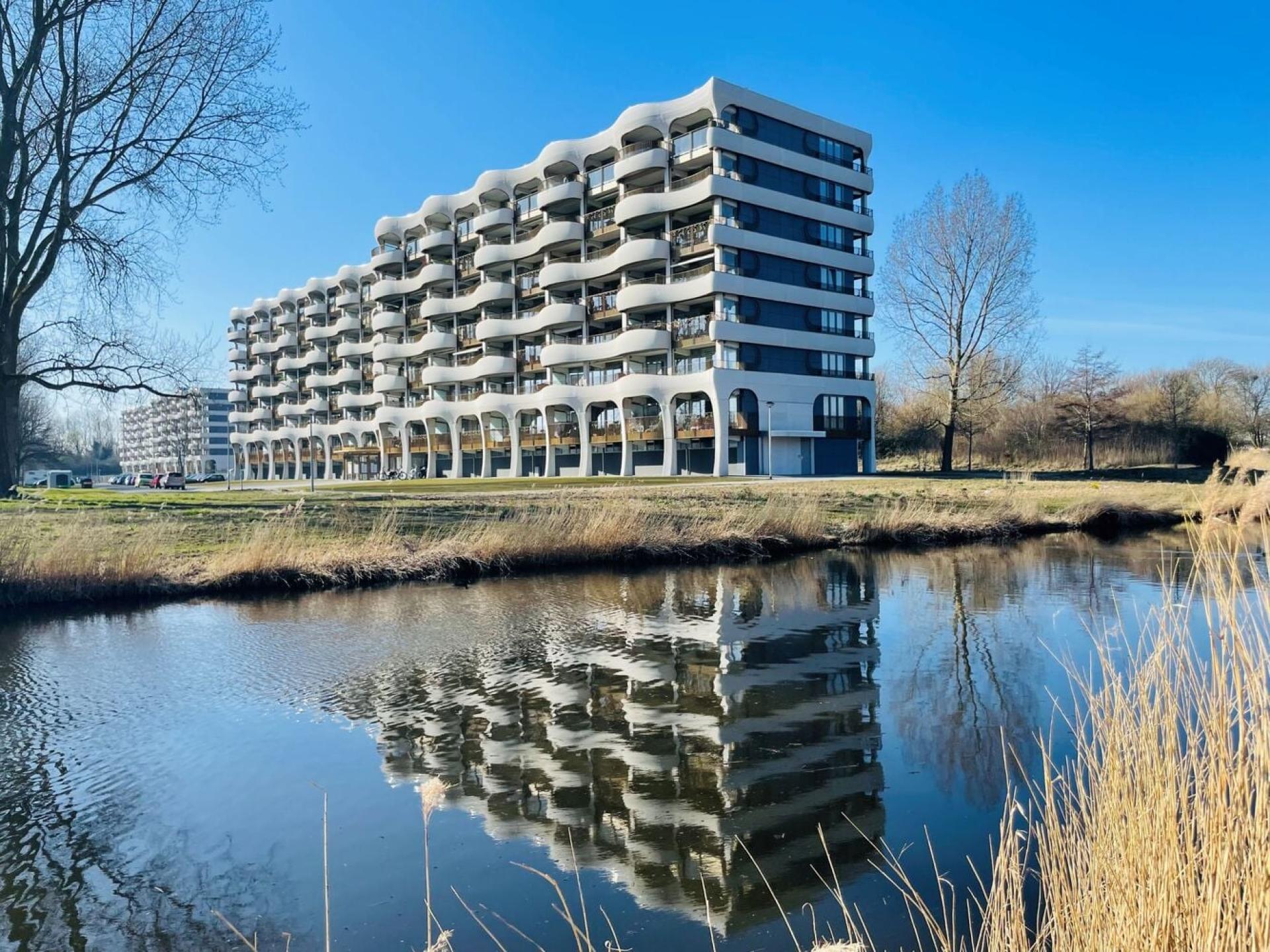
In Den Helder, in the north of the Netherlands, an unprecedented renovation project has successfully transformed two monotonous 1970s apartment buildings into striking, contemporary structures. Comprising 154 units, these gallery flats went through a spectacular metamorphosis without relocating the residents. The core of the transformation was the pioneering use of 3D concrete printing, which allowed the project team to extend the buildings' lifespan by at least fifty years while simultaneously upgrading their sustainability, modern comfort, and aesthetic appeal.
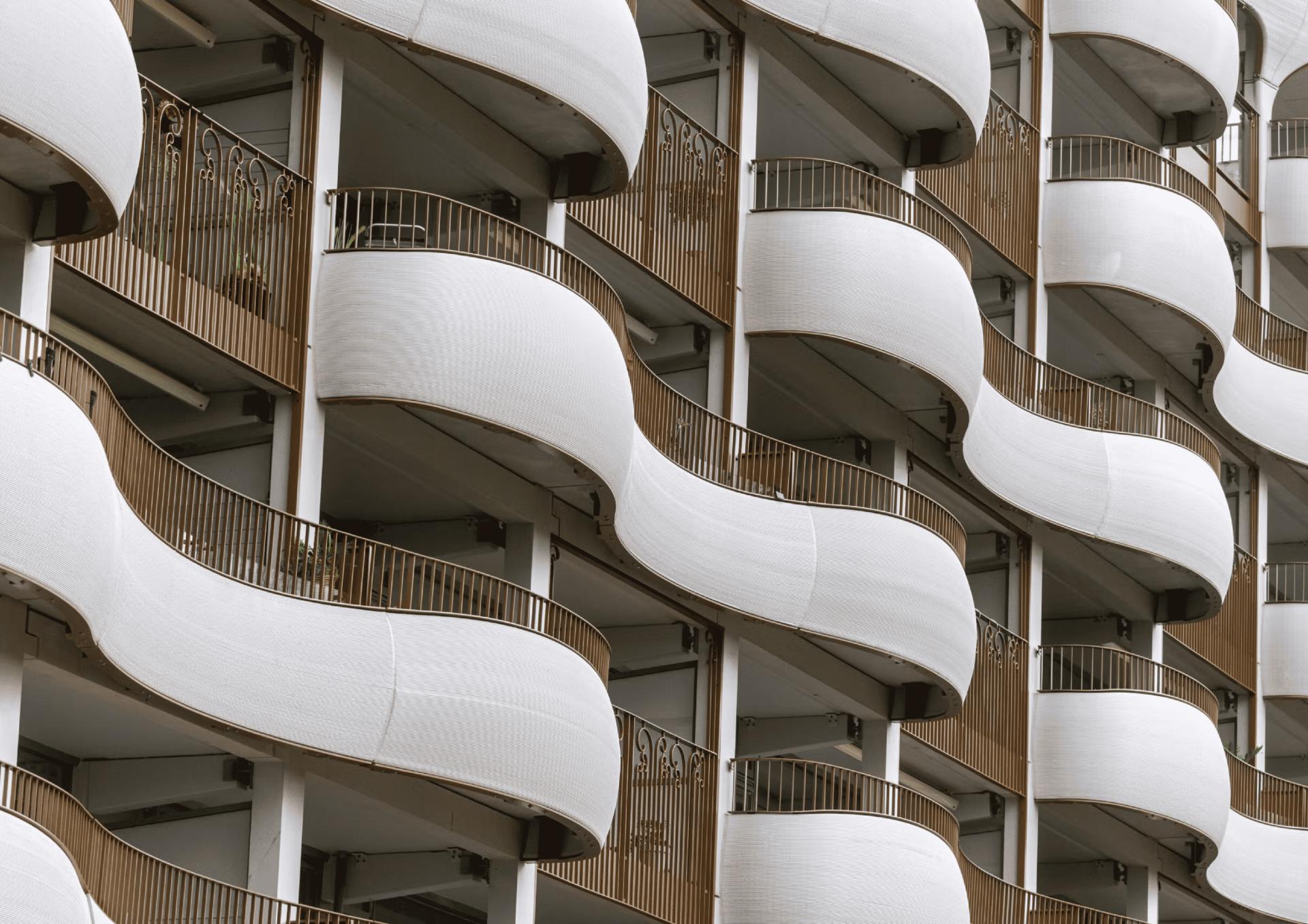
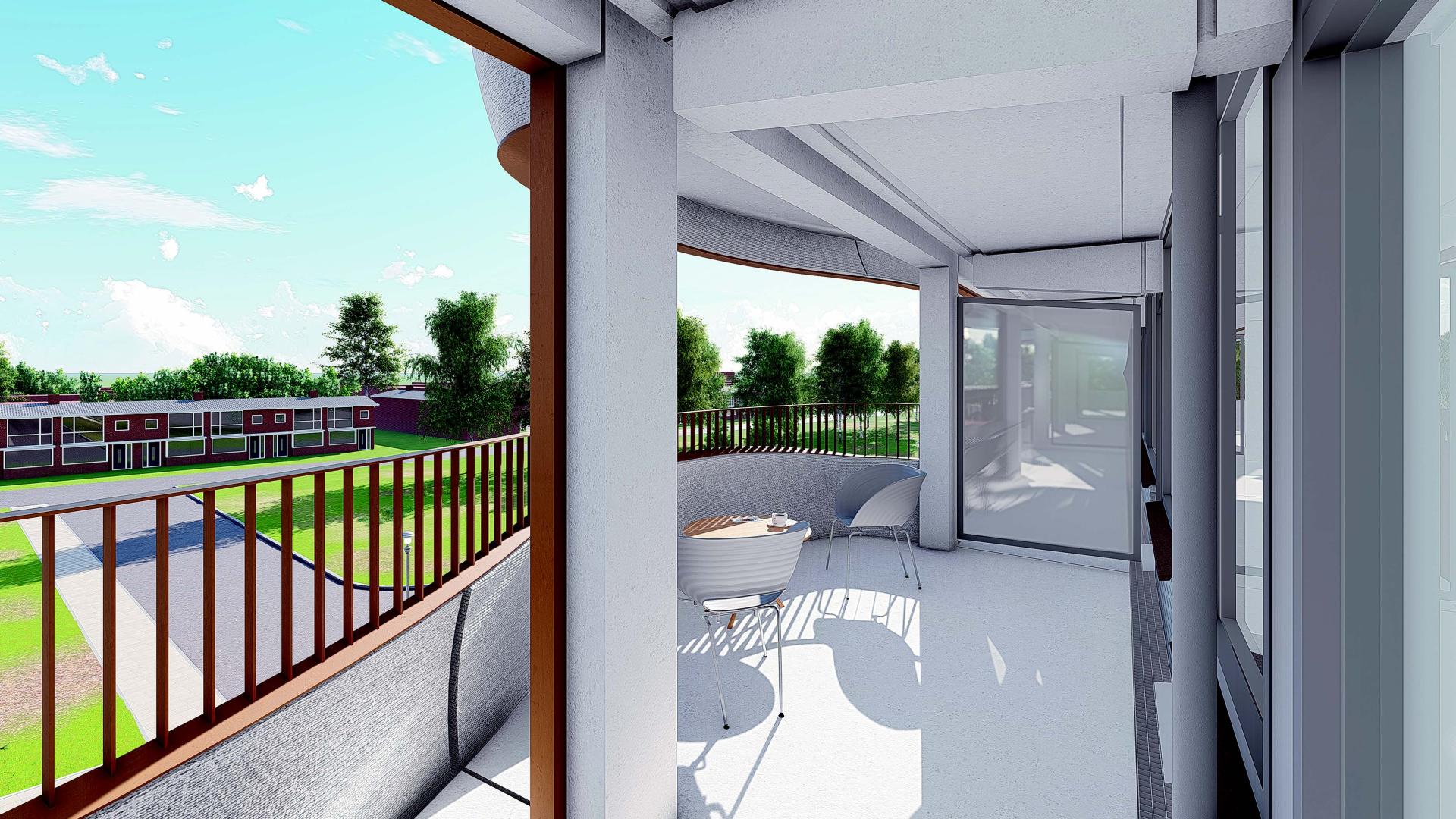
The architectural redesign strategically structured the buildings' facades into three components: a tall colonnade plinth, a middle and a crown section. The main wish of residents was the enlargement of outdoor spaces. Utilizing the existing structural framework and water drainage systems, the new balconies were significantly expanded. To create a dynamic and highly sculptural visual rhythm, these balconies are staggered systematically across the facade on each floor. They feature distinctively bulging, 3D curved parapets adorned with floral motifs, seamlessly connecting the balcony facades to the gallery facades around the entire building envelope.
This complex geometrical design was made possible through a close partnership between Kokon, the architectural firm, and Bruil, the concrete supplier. Because extensive concrete printing was still an emerging technology at the start of the project, the team relied on rigorous testing and optimization to ensure the complex curved shells could properly absorb necessary compressive forces. Ultimately, this technique offered unparalleled freedom of form, enabling the creation of 1,200 unique elements within 125 variations. This remarkable feat would have been impossible to achieve with traditional building technics using concrete molds.
Technologically, the project was highly integrated. A single digital model was shared among the architects, structural engineers and suppliers. After checks and refinements it was directly used to control the 3D printing machinery.
Commissioned by the local housing association, Woningstichting Den Helder, the Baskeweg project serves as a catalyst for the city's urban revitalization. By proving that major aesthetic interventions can be sustainable and viable, this renovation ensures residents can enjoy their revitalized homes for decades to come, contributing to Den Helder's renewed growth.
Credits
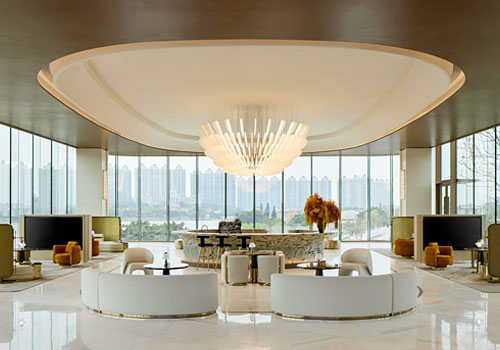
Entrant
ENJOYDESIGN
Category
Interior Design - Commercial
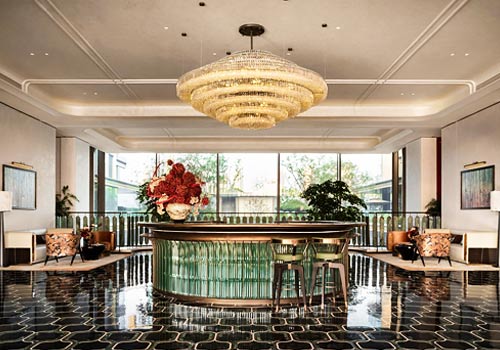
Entrant
RICH DESIGN
Category
Interior Design - Commercial
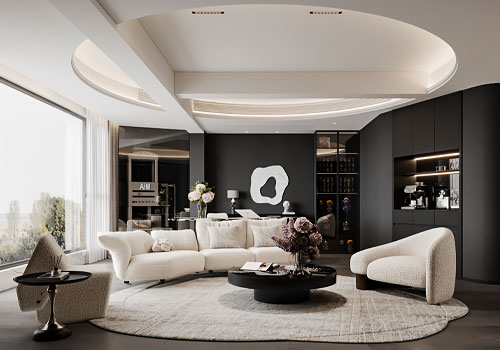
Entrant
Shuangbo Fu
Category
Interior Design - Home Décor
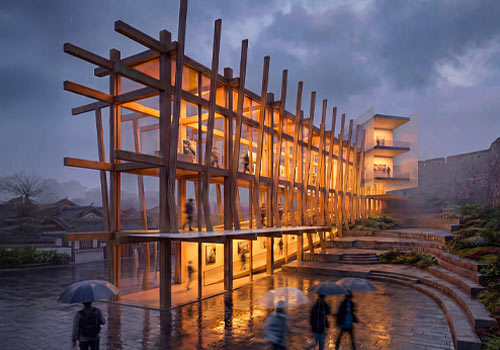
Entrant
Jungjae Park, Jingyi Hu
Category
Cultural Architecture - Cultural Landscape Integration