2026 | Professional

Cities for Childhood: A Framework for Inclusive Urban Living
Entrant
epd Landscape
Category
Student Design - Urban Design and Planning
Client's Name
Country / Region
United Kingdom
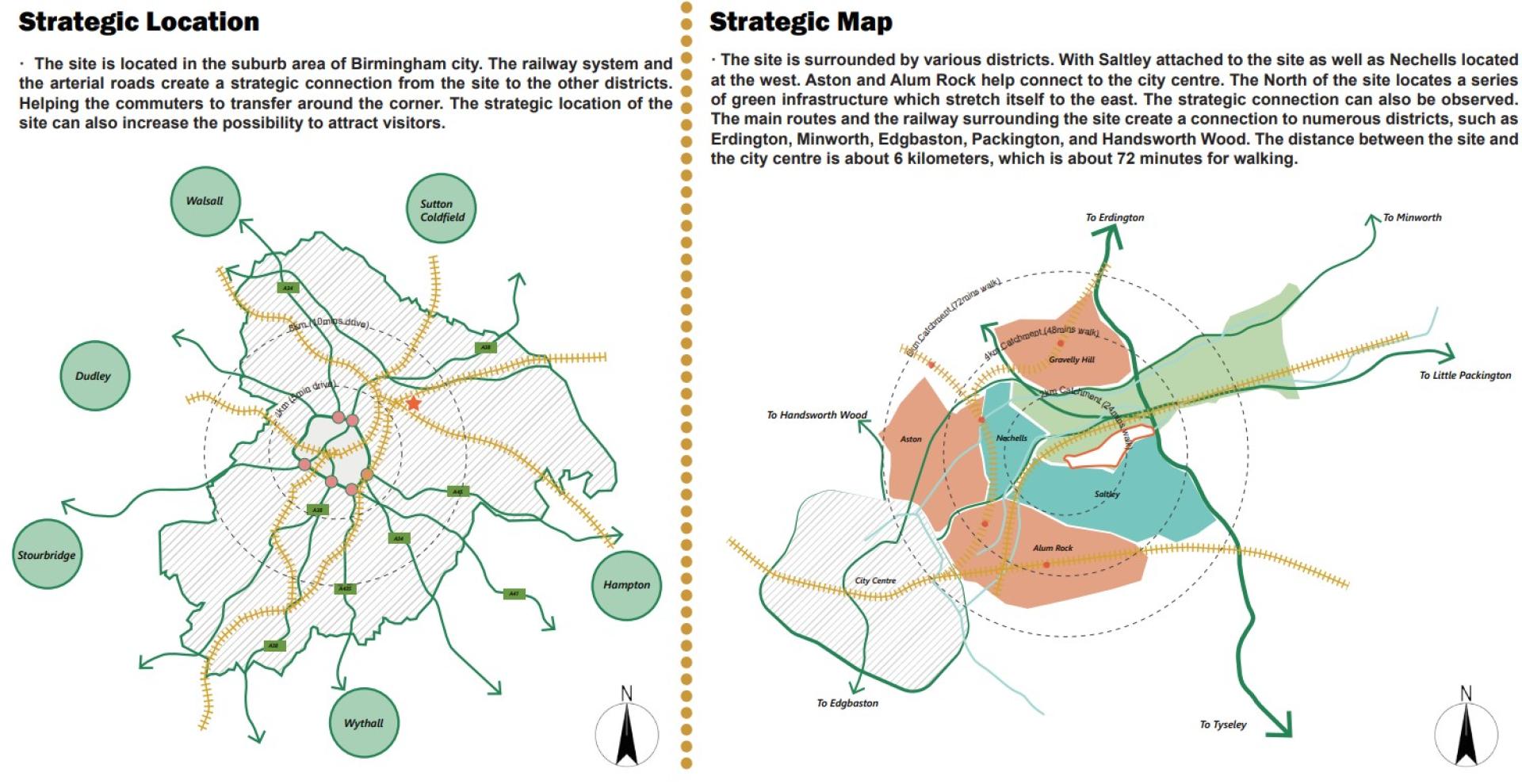
This project explores how urban environments can be reimagined to prioritize children as active participants in the city. Situated in a deprived suburban area of Birmingham, the proposal responds to the pressing challenges of urban fragmentation, social inequality, and limited accessibility to safe and engaging public spaces. The site is currently divided by railway infrastructure and arterial roads, creating physical and social barriers that particularly affect children’s mobility and well-being .
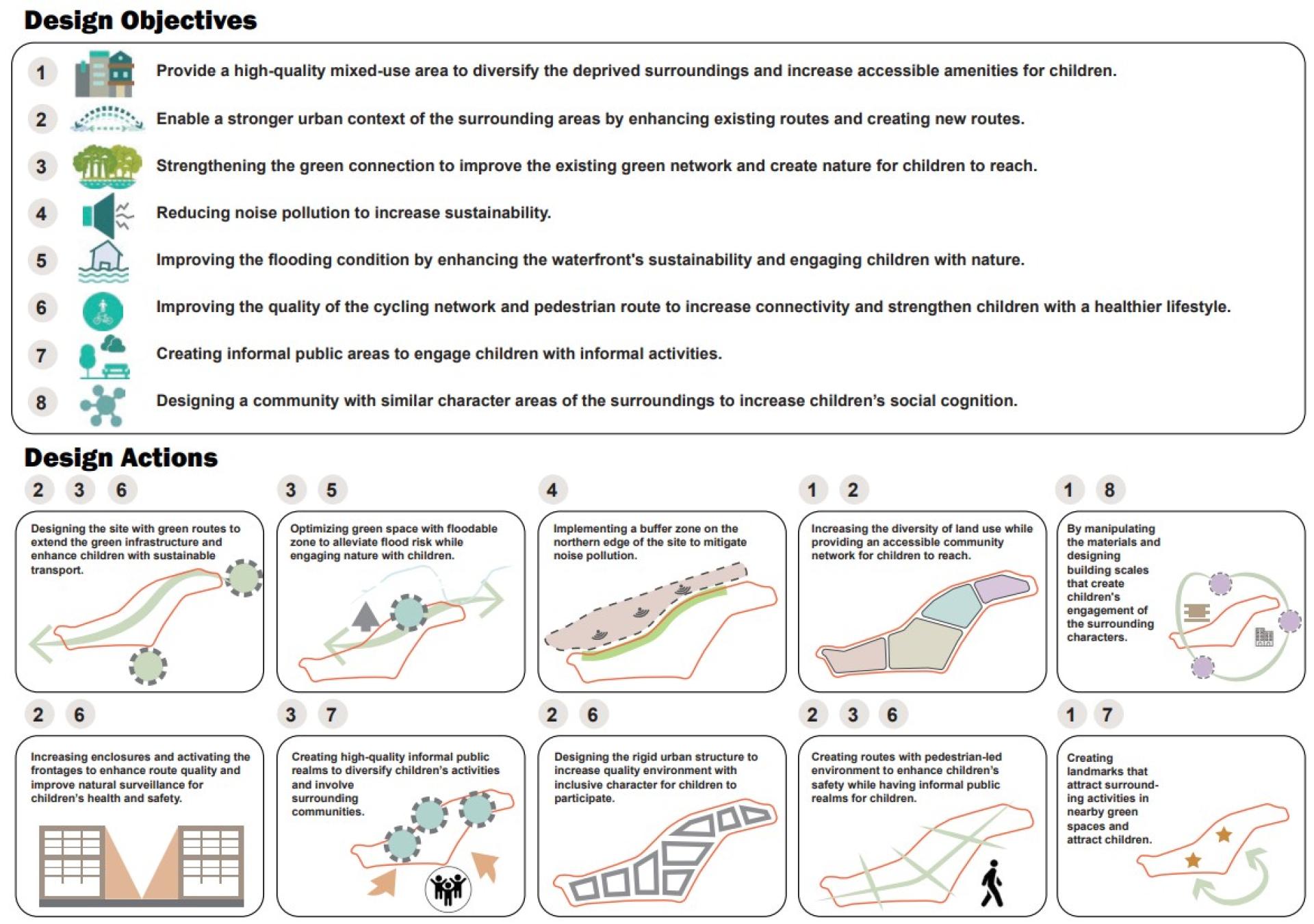
Grounded in the principles of child-friendly urbanism, the design framework integrates six key dimensions: health, safety, accessibility, connectivity, participation, and play. Through multi-scalar analysis—ranging from strategic connectivity to local character—the project identifies critical deficiencies, including poor-quality green spaces, lack of active frontages, and limited pedestrian and cycling infrastructure .
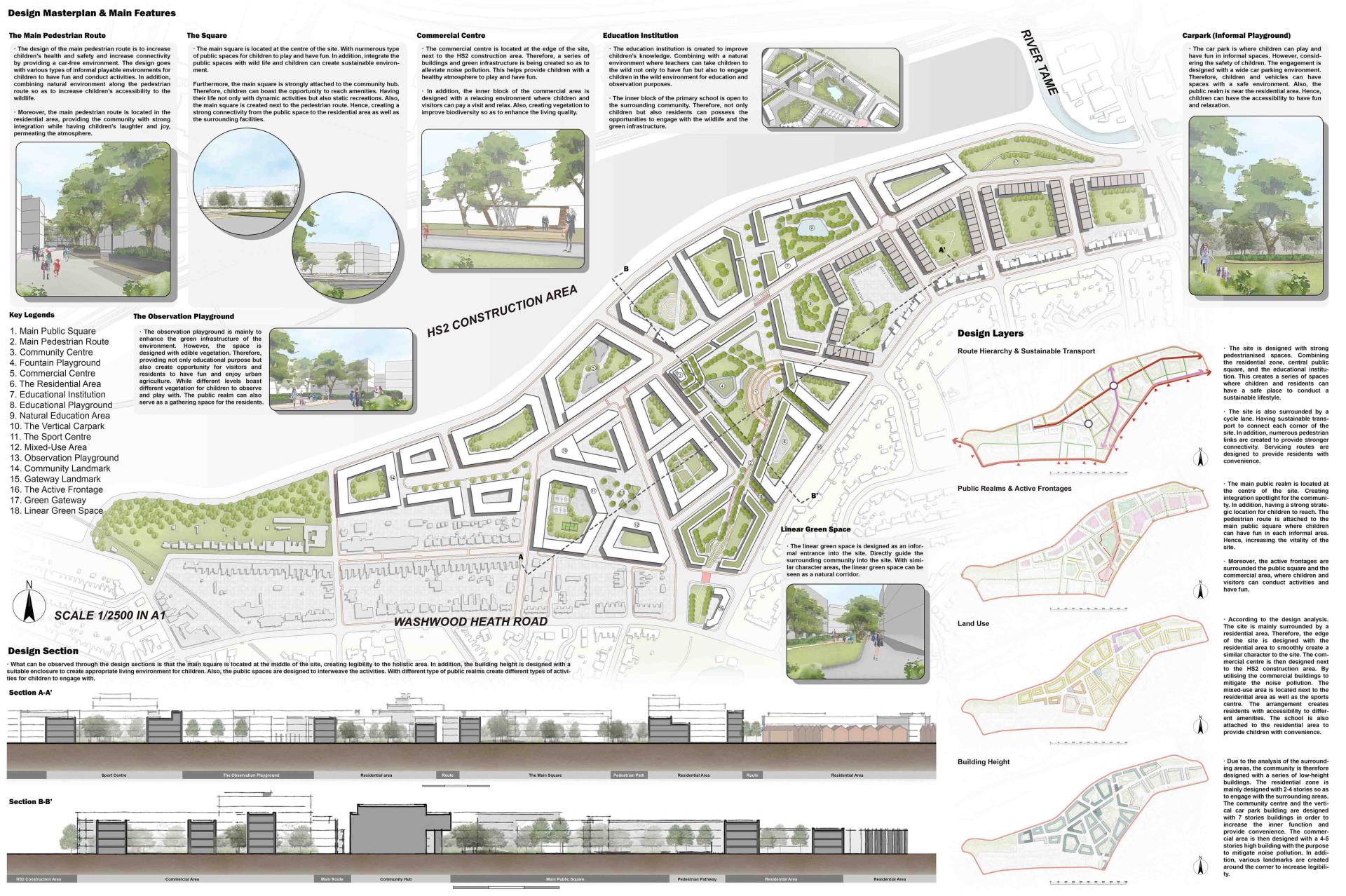
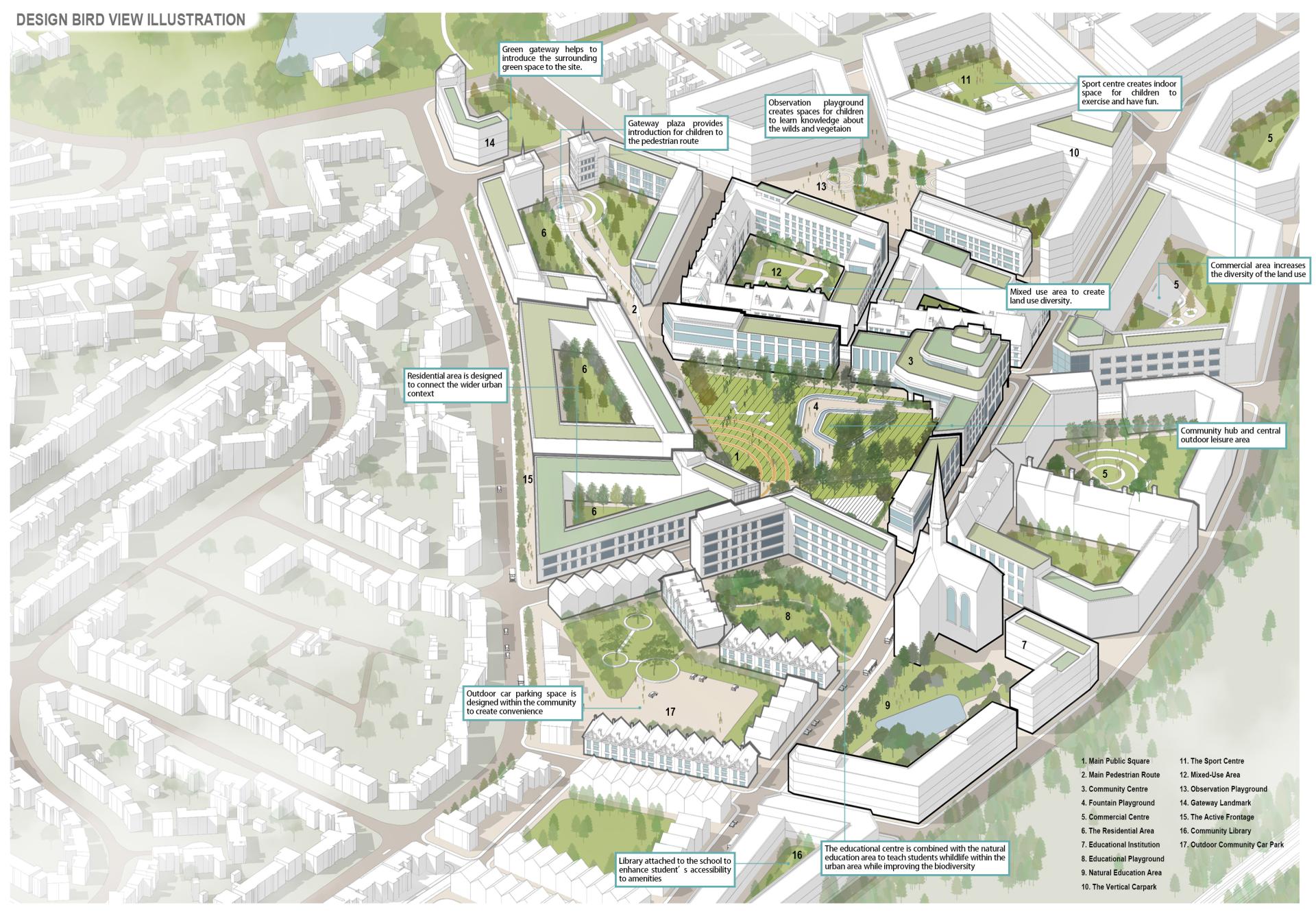
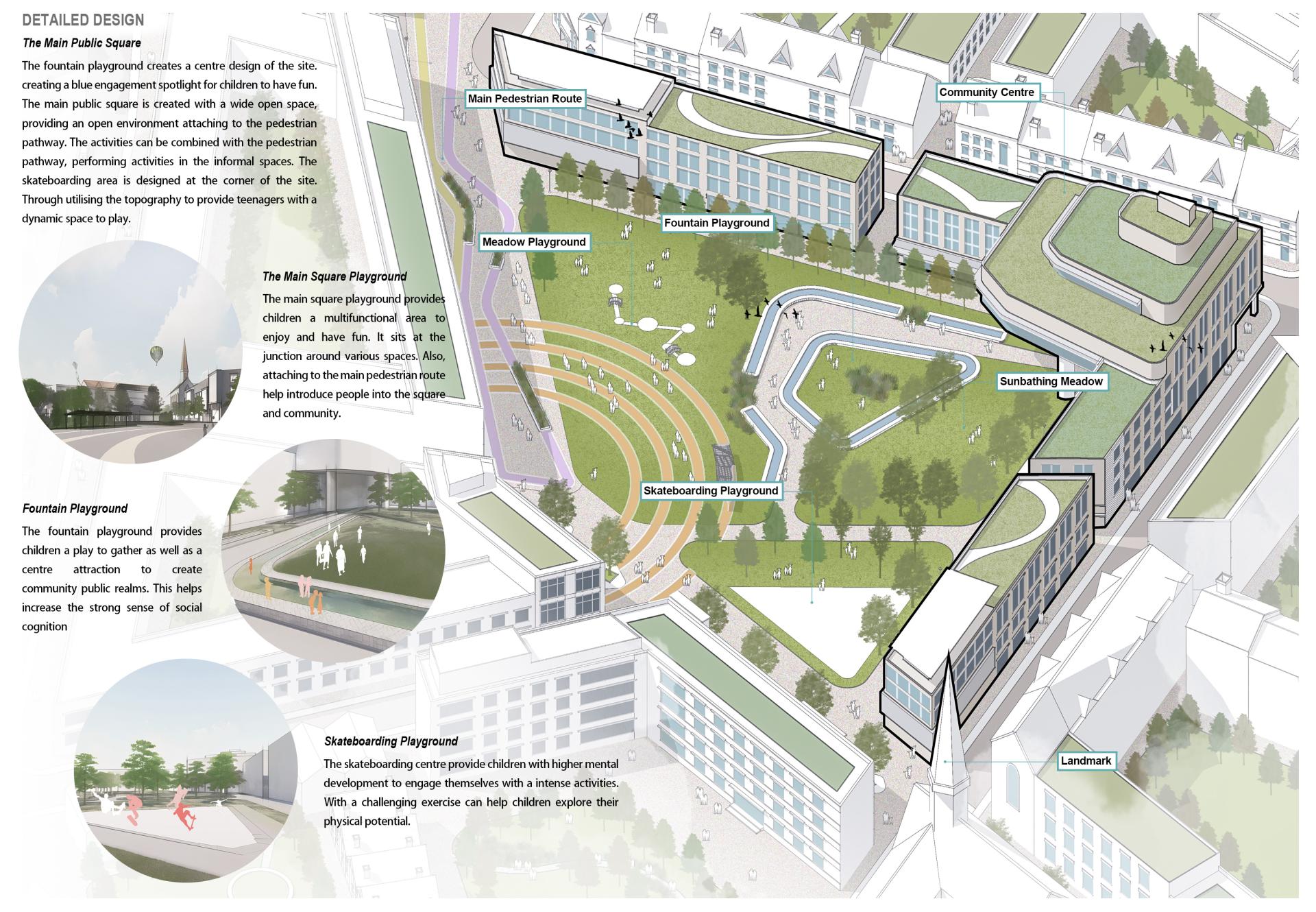
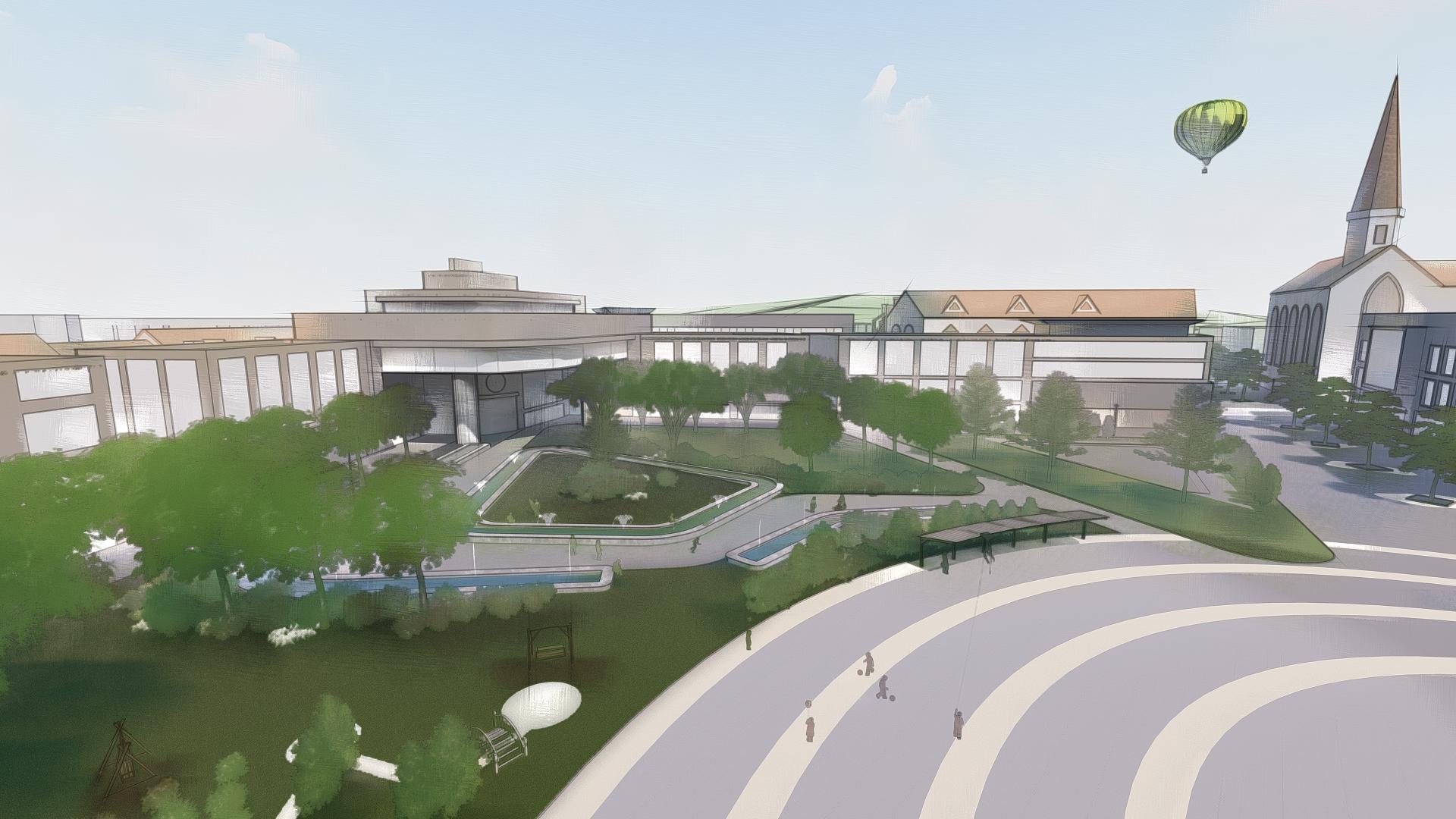
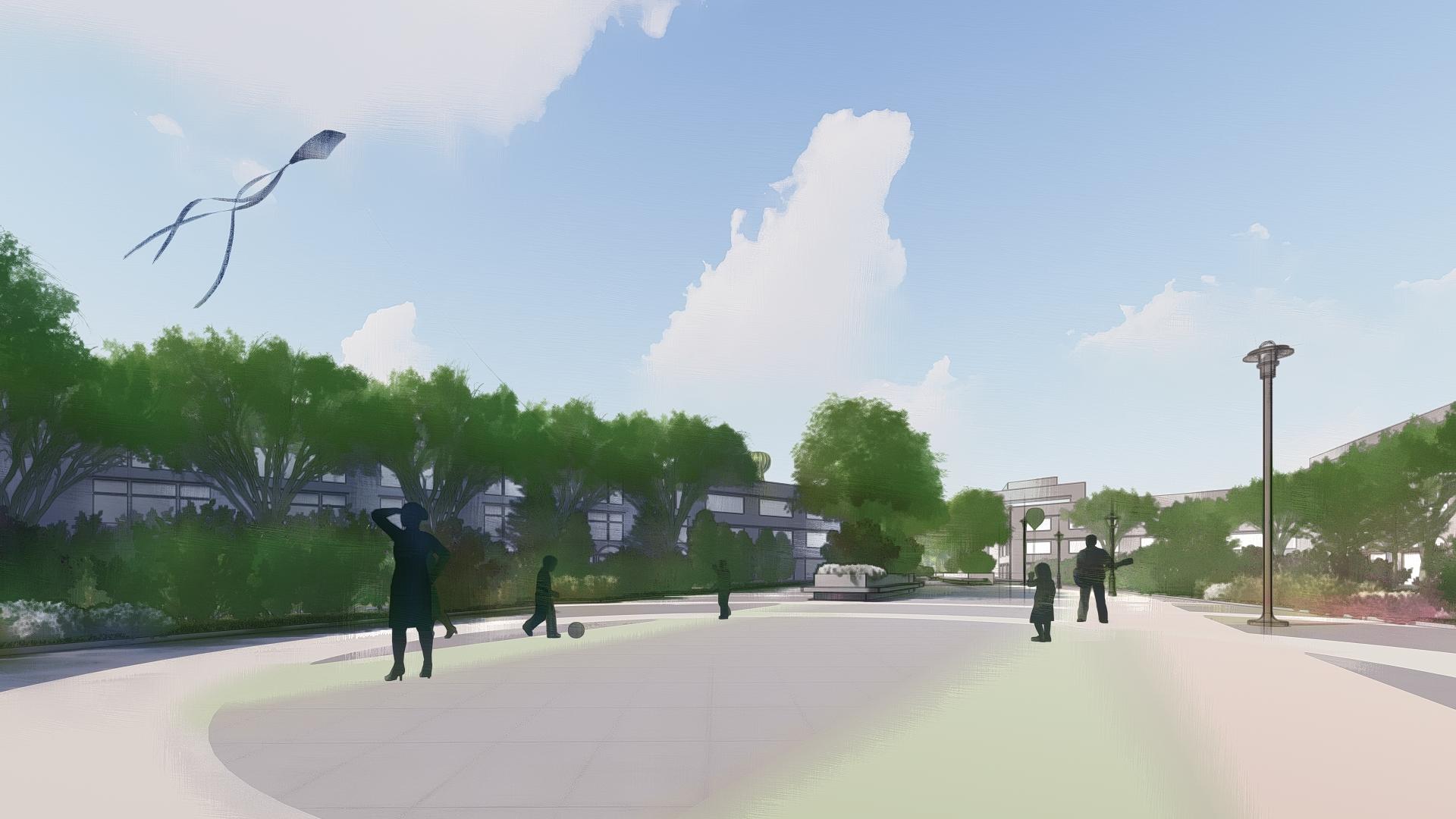
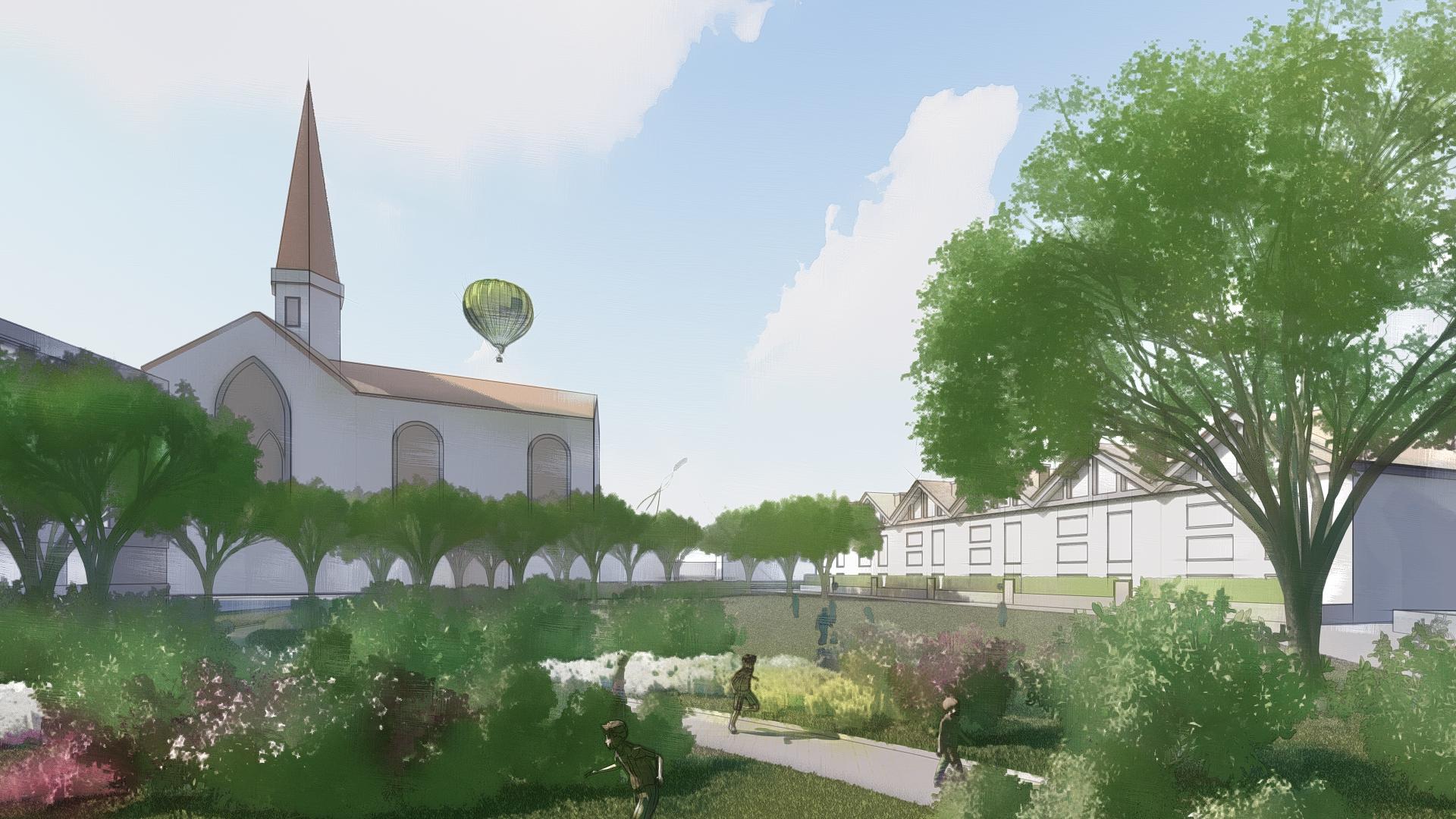
The proposal introduces a comprehensive masterplan that transforms the site into an inclusive, resilient, and child-centered environment. Key interventions include the creation of a continuous green network connecting fragmented open spaces, the introduction of pedestrian-led streets to enhance safety, and the integration of mixed-use developments to support social and economic vitality. Informal play spaces are embedded throughout the urban fabric, encouraging spontaneous interaction and fostering a sense of belonging for children.
Environmental resilience is addressed through flood-adaptive landscapes along the River Tame, which simultaneously function as ecological corridors and educational play environments. Noise mitigation strategies, including buffer zones along the railway, improve overall living conditions while supporting diverse land uses.
By repositioning children as key stakeholders in urban design, the project challenges conventional planning approaches that prioritize adult-centric mobility and efficiency. Instead, it proposes a holistic vision where inclusivity, sustainability, and social equity are embedded within everyday urban experiences.
Ultimately, this project demonstrates that designing for children is not a niche consideration but a transformative strategy for creating healthier, more liveable cities for all.
Credits
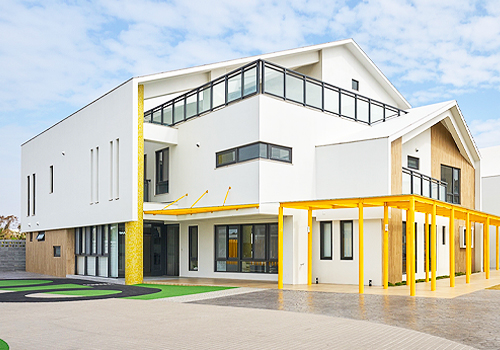
Entrant
WWJ Arch. Firm
Category
Institutional Architecture - Educational Institutions
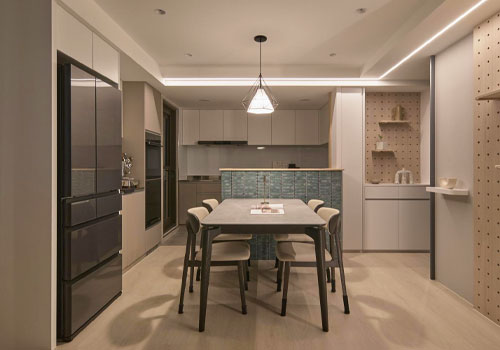
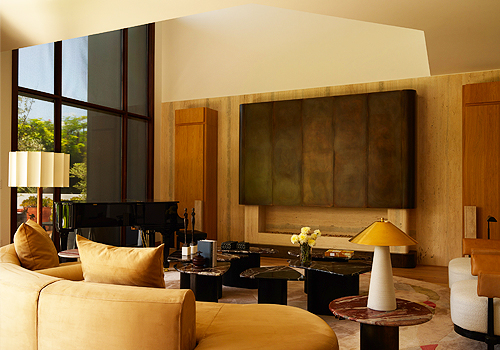
Entrant
Margaret Bissu Interior Design
Category
Interior Design - Residential
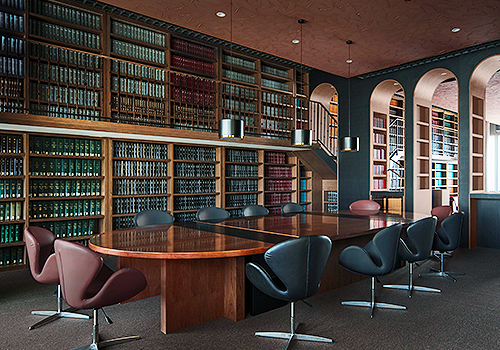
Entrant
weico Architects
Category
Interior Design - Libraries