2026 | Professional

Comfort In Common
Entrant
Parsons School of Design
Category
Student Design - Interior Design
Client's Name
Country / Region
United States
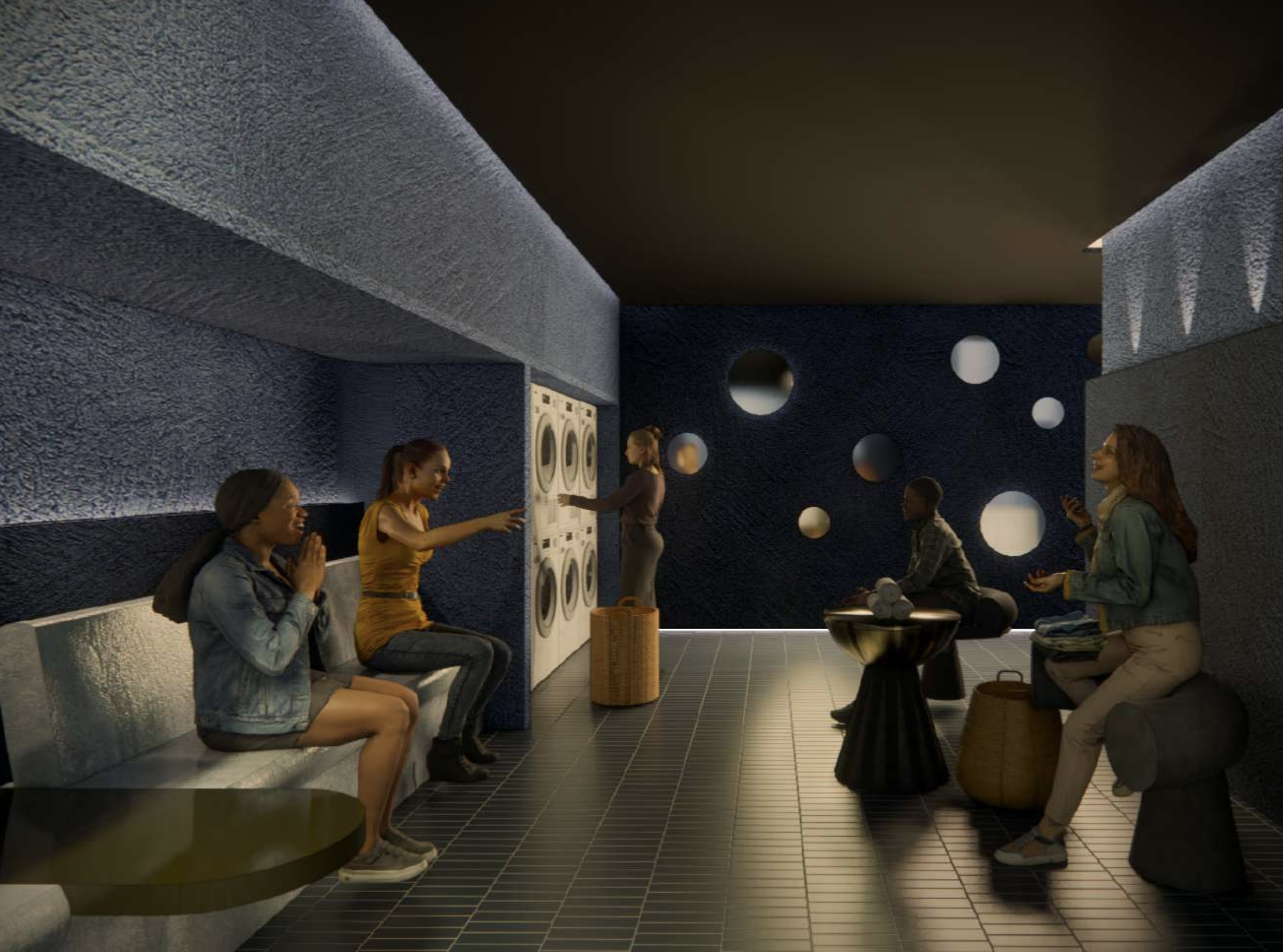
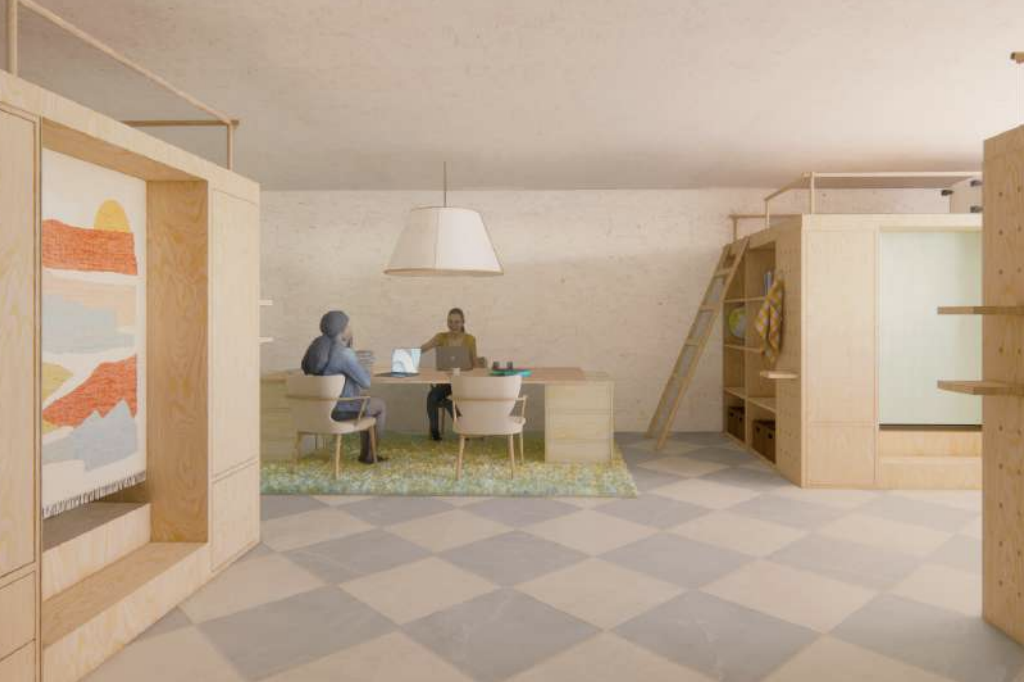
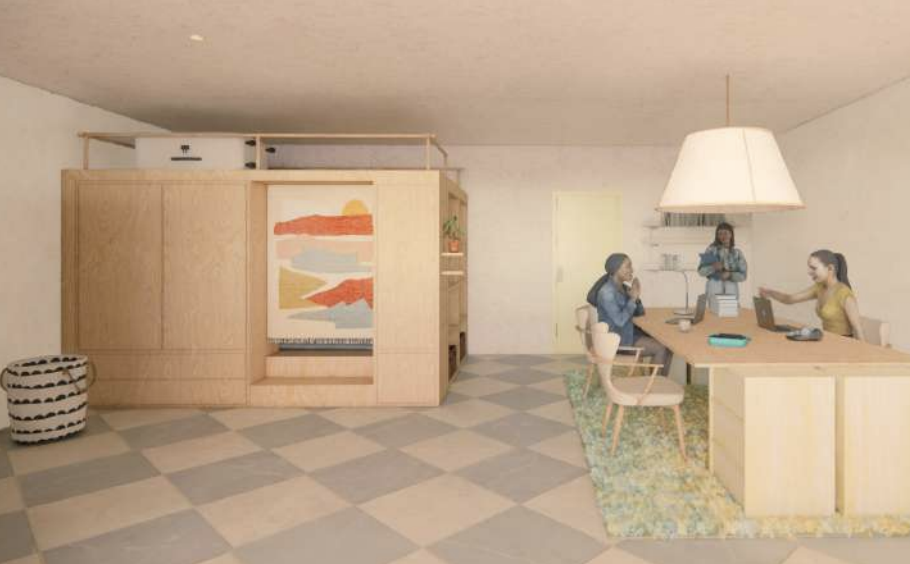
Comfort in Common reimagines student housing as an environment where comfort becomes the foundation for community, well-being, and belonging. While communal spaces are often designed to encourage interaction, they frequently overlook the diverse emotional and social needs of students. Rather than assuming that connection happens naturally, this project explores how interior design can create environments that support both social engagement and personal retreat.
The concept is inspired by the layered spatial experience of Central Park, where moments of openness and enclosure coexist to offer different ways of inhabiting the landscape. Translating this idea into student housing, the project introduces a sequence of spaces that gradually transition between public and private. Instead of rigidly separating functions, these spaces encourage residents to choose how they engage with others based on their comfort level, daily routine, and individual personality.
A series of adaptable communal areas, intimate nooks, and flexible gathering spaces encourage both planned and spontaneous interactions. Warm materials, natural light, and biophilic elements create a calm and welcoming atmosphere. Material exploration became an essential part of translating this concept into physical form, with hands-on experimentation in clay, ceramic, and glaze shaping a tactile material language that reinforces comfort as a multisensory experience.
Beyond providing functional shared spaces, the project proposes a new approach to student living that values choice, inclusivity, and everyday well-being. It recognizes that students experience community in different ways and that meaningful connections are strengthened when people have the freedom to participate on their own terms.
Comfort in Common demonstrates how interior design can move beyond aesthetics to shape healthier and more supportive living environments. By transforming communal areas into spaces that balance interaction with privacy, the project offers a model for student housing that nurtures belonging while respecting individuality. It envisions community not as a fixed condition, but as something that grows naturally through thoughtful spatial design and everyday human experience.
Credits
Entrant
Ruiting Hu (Ray Hu)
Category
Interior Design - Leisure & Wellness
Entrant
Qiyuan Liang
Category
Commercial Architecture - Green and Sustainable Commercial Buildings
Entrant
TP Bennett
Category
Interior Design - Workplace (NEW)