Interview
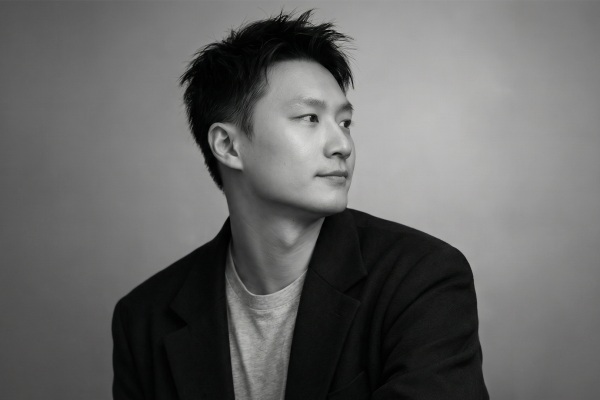
Ruijie Xu
HKS, United States
Ruijie Xu is an Associate at HKS whose work is rooted in the belief that architecture can enrich public life and strengthen communities. By combining careful research, iterative design, and a clear conceptual vision, he creates spaces that respond thoughtfully to both people and place.
1 | Congratulations on your achievement! What inspired you to submit this project for the NY Architectural & Interior Design Awards?
I submitted this project because it reflects my ongoing exploration of how architecture can create meaningful public experiences. Beyond solving functional needs, I believe great design should strengthen the relationship between people, place, and community. The NY Architectural & Interior Design Awards provide an excellent platform to share innovative ideas that contribute to the future of architecture while engaging an international design audience.
2 | What is the defining concept or vision behind your award-winning project?
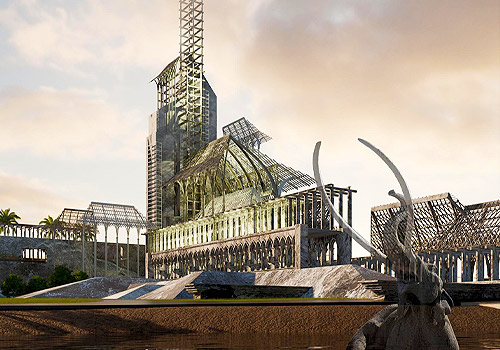
The project reimagines architecture as a flexible public framework rather than a single-purpose building. By transforming an existing theater into a multidimensional civic commons, it encourages cultural activities, social interaction, and everyday community life to coexist within one adaptable environment. The vision is to create architecture that evolves alongside the city and the people who use it.
3 | Could you briefly share your journey into architecture and what inspired you to pursue this field?
I have always been fascinated by the way architecture shapes people's everyday experiences. After studying architecture and later earning my Master of Architecture from the University of Pennsylvania, I had the opportunity to work on projects ranging from urban developments to major sports and civic venues. These experiences reinforced my belief that architecture has the power to bring people together, strengthen communities, and create lasting public value, which continues to guide my work today.
4 | How would you describe the mission or goals of your company or studio?
The goal of our practice is to create architecture that delivers lasting value for both people and cities. We strive to design places that are functional, sustainable, and memorable while responding to the cultural, social, and environmental context of each project. Whether designing civic buildings, cultural venues, or large public infrastructure, we believe architecture should enrich everyday life and strengthen communities.
5 | Were there any unexpected challenges during the design or construction phases? How did they shape the final result?
One of the biggest challenges was balancing a strong architectural identity with flexibility and long-term usability. Throughout the design process, every major decision was evaluated not only for its visual impact but also for how it would improve the user experience and respond to future needs. These challenges ultimately refined the project, making the final design more focused, adaptable, and meaningful.
6 | How does your design process usually unfold-from ideation to completion?
My design process always begins with understanding the site, its users, and the broader cultural and environmental context. From there, I develop a clear conceptual framework that guides every design decision. Through continuous sketching, digital modeling, and iterative testing, the concept gradually evolves into an integrated architectural solution. Throughout the process, I aim to balance creativity with functionality, ensuring the final design remains both expressive and practical.
7 | If you had to describe the journey of this project in three words, what would they be?
Exploration, Connection and Transformation.
8 | What feedback have you received about your work that has been particularly meaningful or surprising?
One of the most meaningful comments I've received is that my projects feel "people-centered" even when they involve large or complex architectural programs. Hearing that the design communicates a sense of openness, accessibility, and community has been especially rewarding because creating meaningful public experiences is always one of my primary goals.
9 | What does receiving this recognition mean for you, your team, or your studio?
This recognition is both an encouragement and a responsibility. It acknowledges the value of thoughtful design while motivating me to continue exploring architecture that serves communities in meaningful ways. I am also grateful to the colleagues, mentors, and collaborators who have contributed to my professional growth, as great architecture is always the result of collaboration.
10 | How do you see this award influencing your future projects or career?
This award encourages me to continue pushing the boundaries of public and civic architecture. I hope to contribute to projects that combine design innovation with social impact while collaborating across cultures and disciplines. More importantly, it reinforces my commitment to creating architecture that improves everyday life and creates lasting value for communities.
11 | What's a project or idea you've been dreaming of bringing to life, and why does it inspire you?
I hope to design a next-generation civic destination that seamlessly combines sports, culture, education, and public space. Rather than functioning only during major events, it would serve as an active community hub every day of the year. This idea inspires me because I believe architecture should create opportunities for people to gather, connect, and build a stronger sense of place.
12 | Where do you see the architectural field heading in the next decade, and how do you envision contributing to its evolution?
Over the next decade, I believe architecture will become increasingly multidisciplinary, integrating sustainability, technology, data, and social engagement into every stage of design. Buildings will no longer be evaluated solely by their appearance but by how they improve people's everyday lives. I hope to contribute by designing public architecture that combines innovative design with long-term community value, creating places that remain relevant, resilient, and meaningful over time.
13 | How do you see your designs contributing to the future of sustainable architecture?
To me, sustainability extends beyond energy performance. It also means creating buildings that remain useful, adaptable, and valuable for generations. My designs focus on flexibility, efficient use of resources, and strong connections between architecture, landscape, and public life. I believe the most sustainable buildings are those that people continue to use, appreciate, and care for over time.
14 | If you could design anything, with no limits on budget or imagination, what would it be?
I would love to design a new generation of national stadium that functions as more than a venue for sports. It would become an open civic landscape where people gather for cultural events, recreation, education, and everyday life. My goal would be to create a place that represents the identity of a city while remaining welcoming and active throughout the year.