2026 | Professional

City of Tomorrow
Entrant
Mooooi Studio
Category
Interior Design - Showroom / Exhibit
Client's Name
NU - House Construction Group
Country / Region
Taiwan
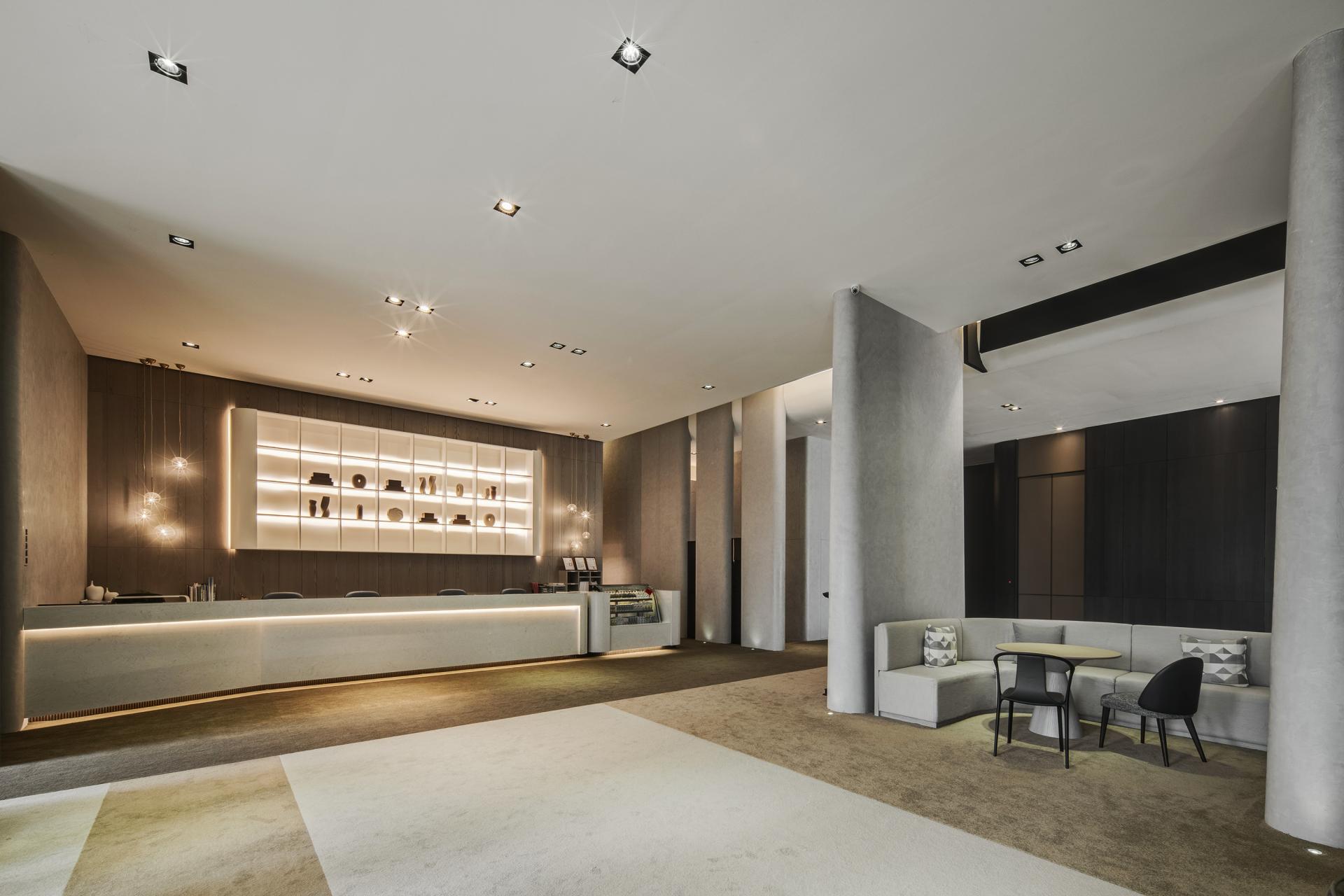
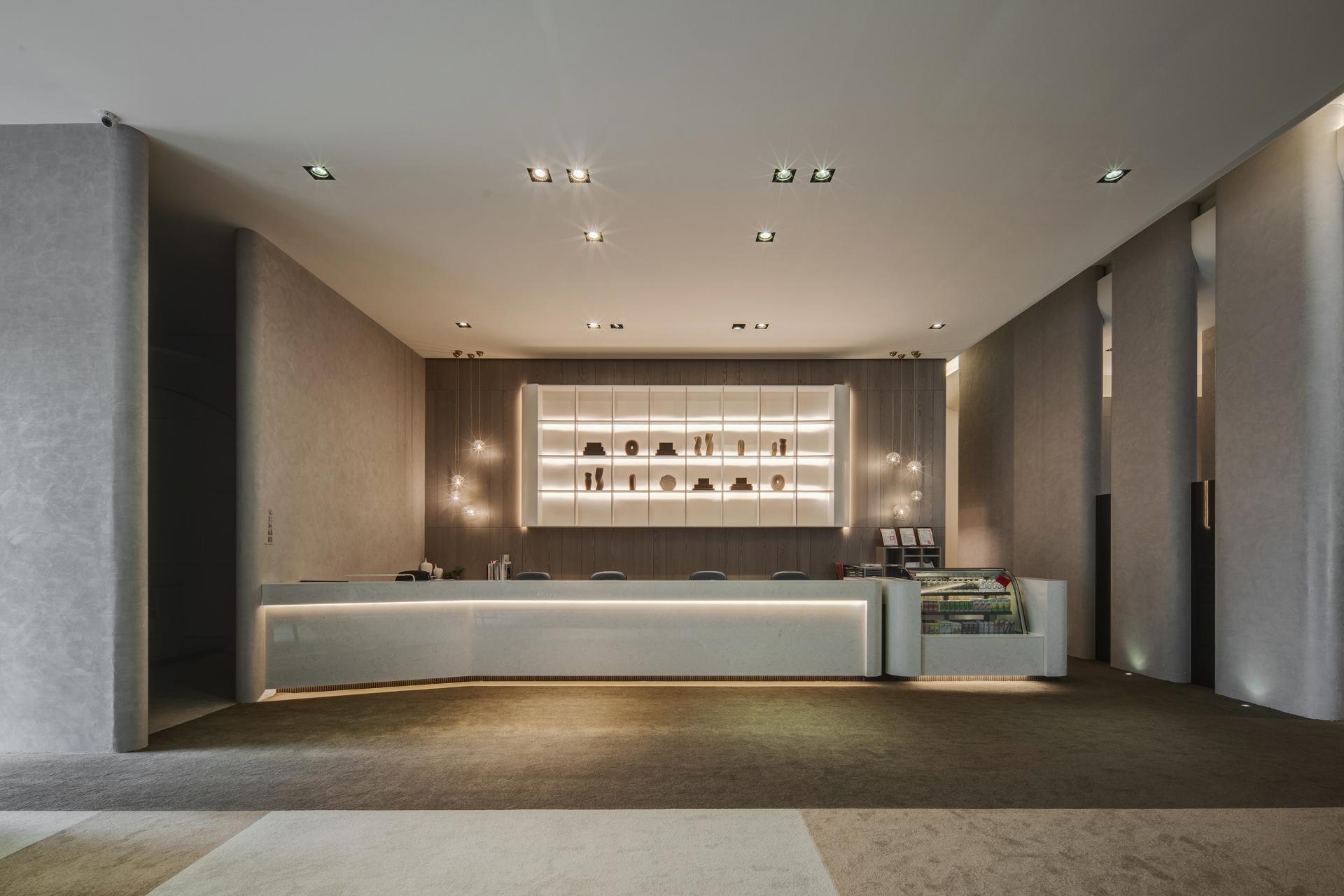
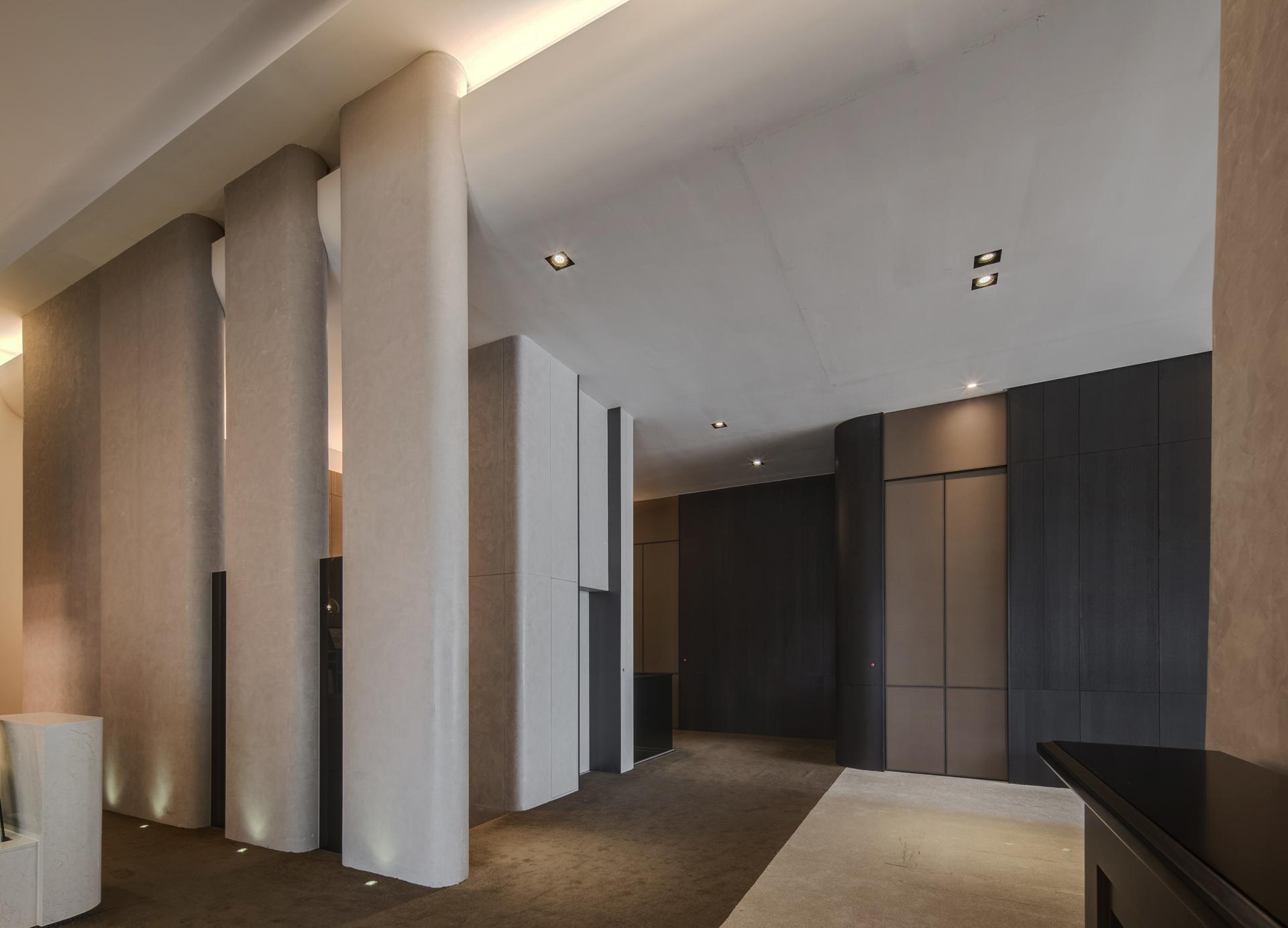
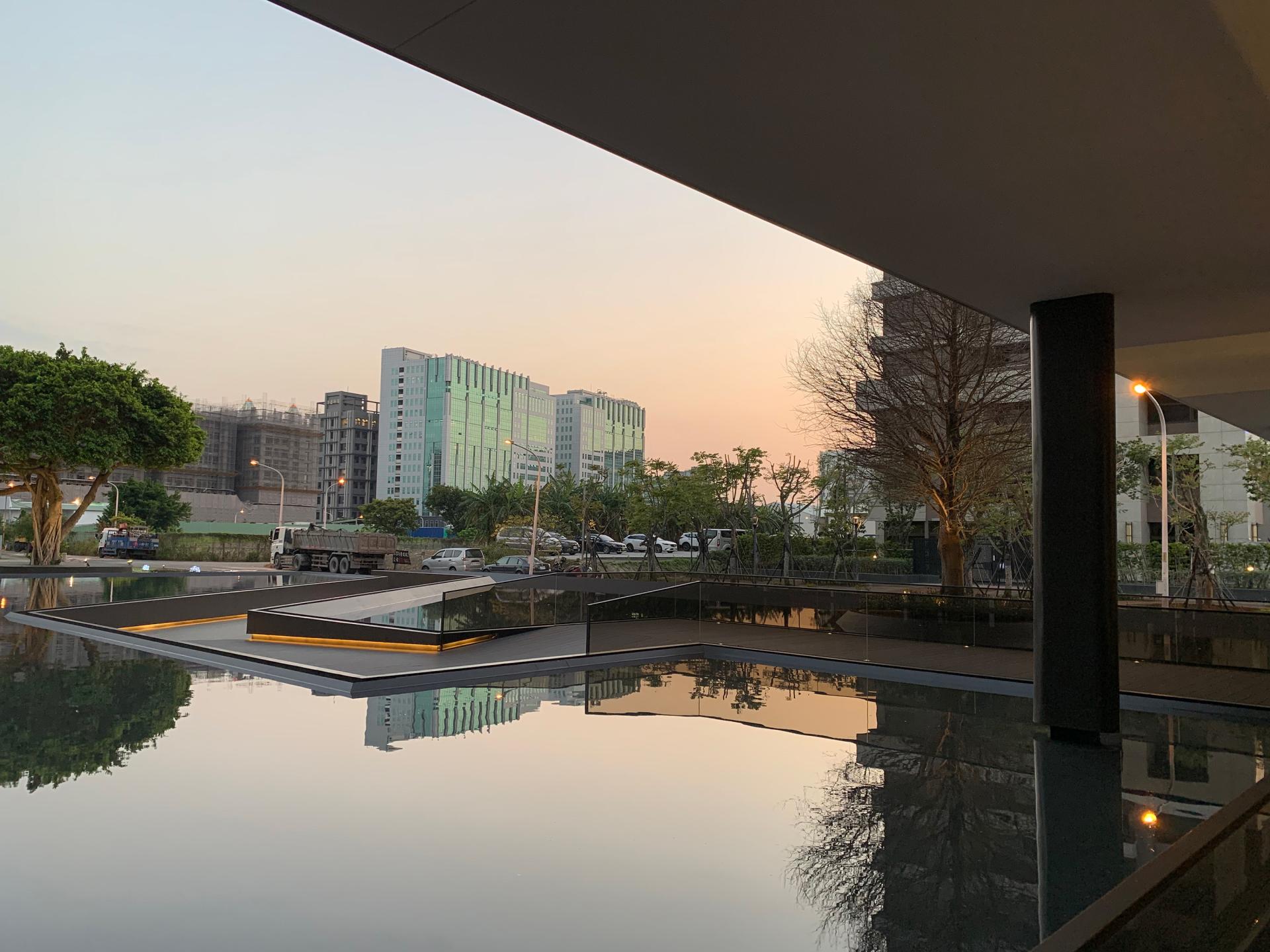
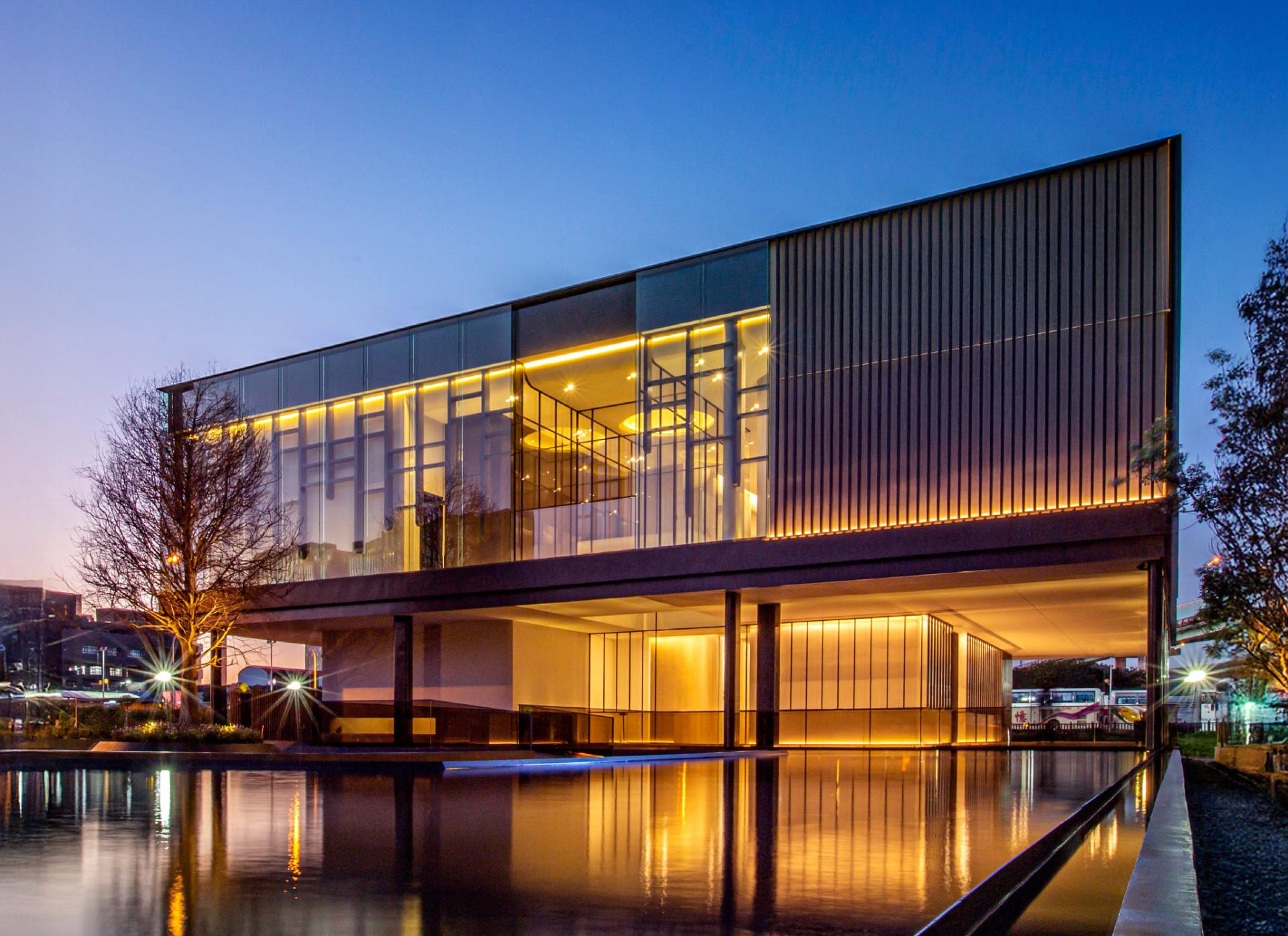
With “the sacredness of future living” as the core concept, starting from spatial design, the reception centre breaks away from the traditional sales-oriented framework and transforms into an artistic hall that embodies spirituality and aesthetics.
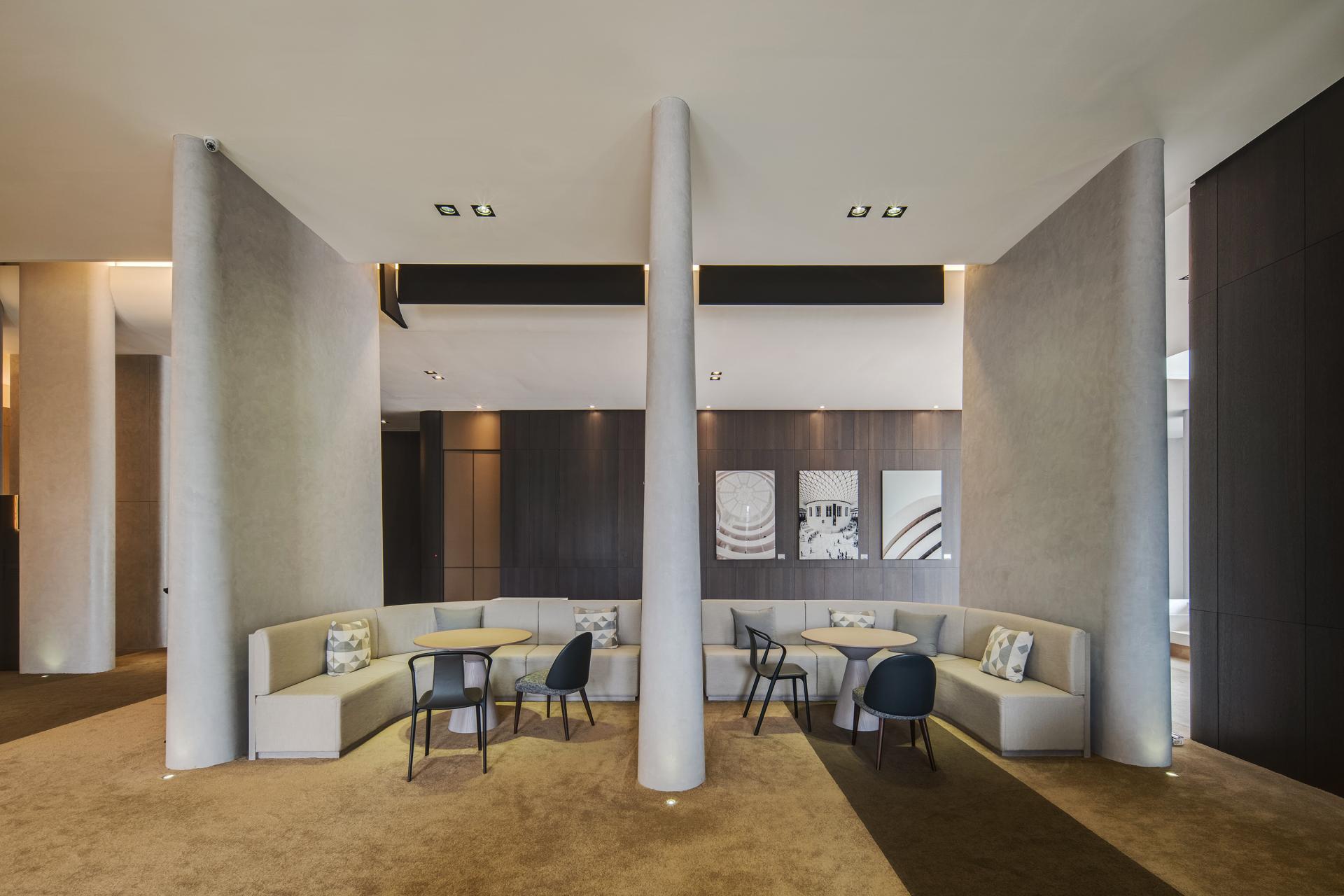
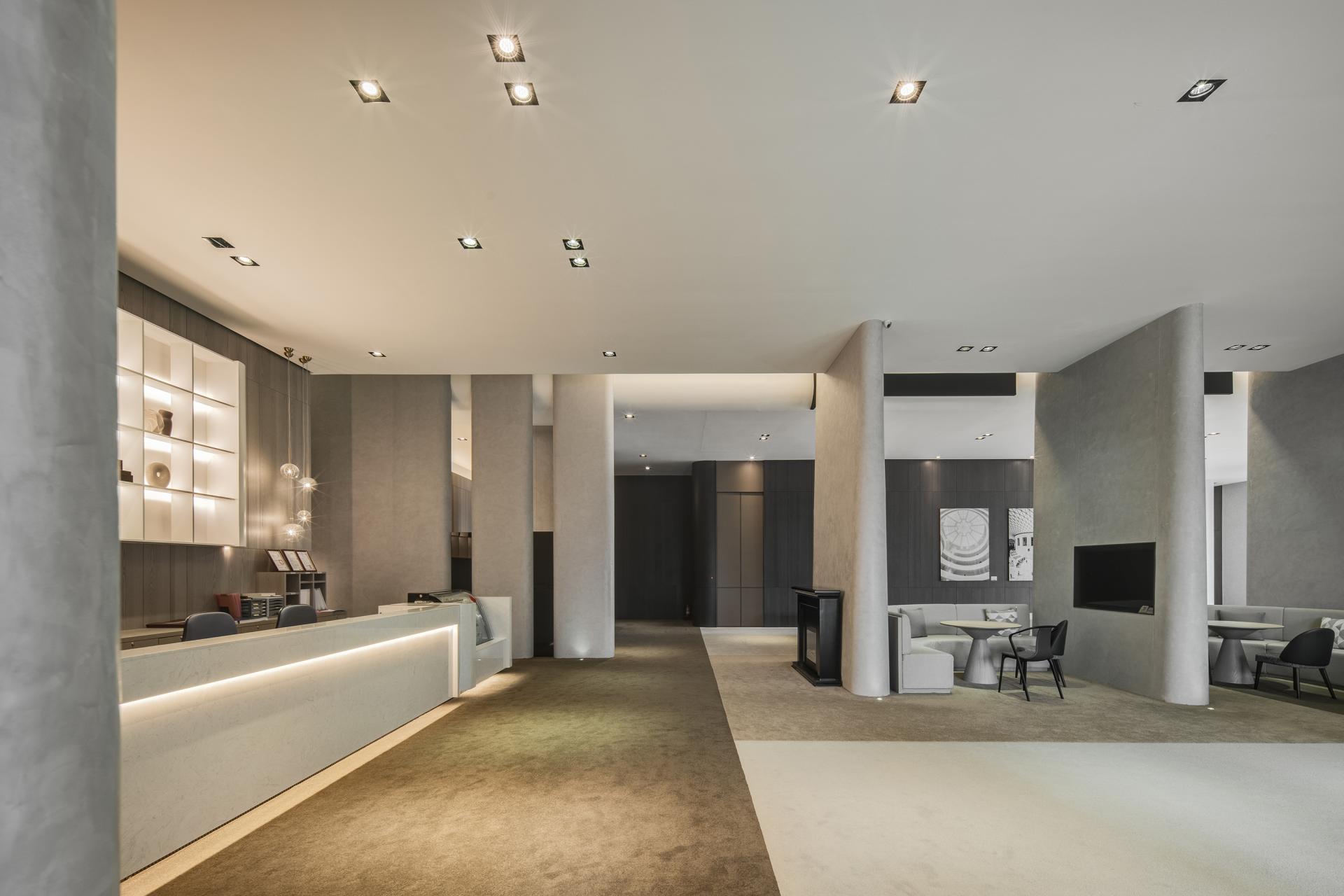
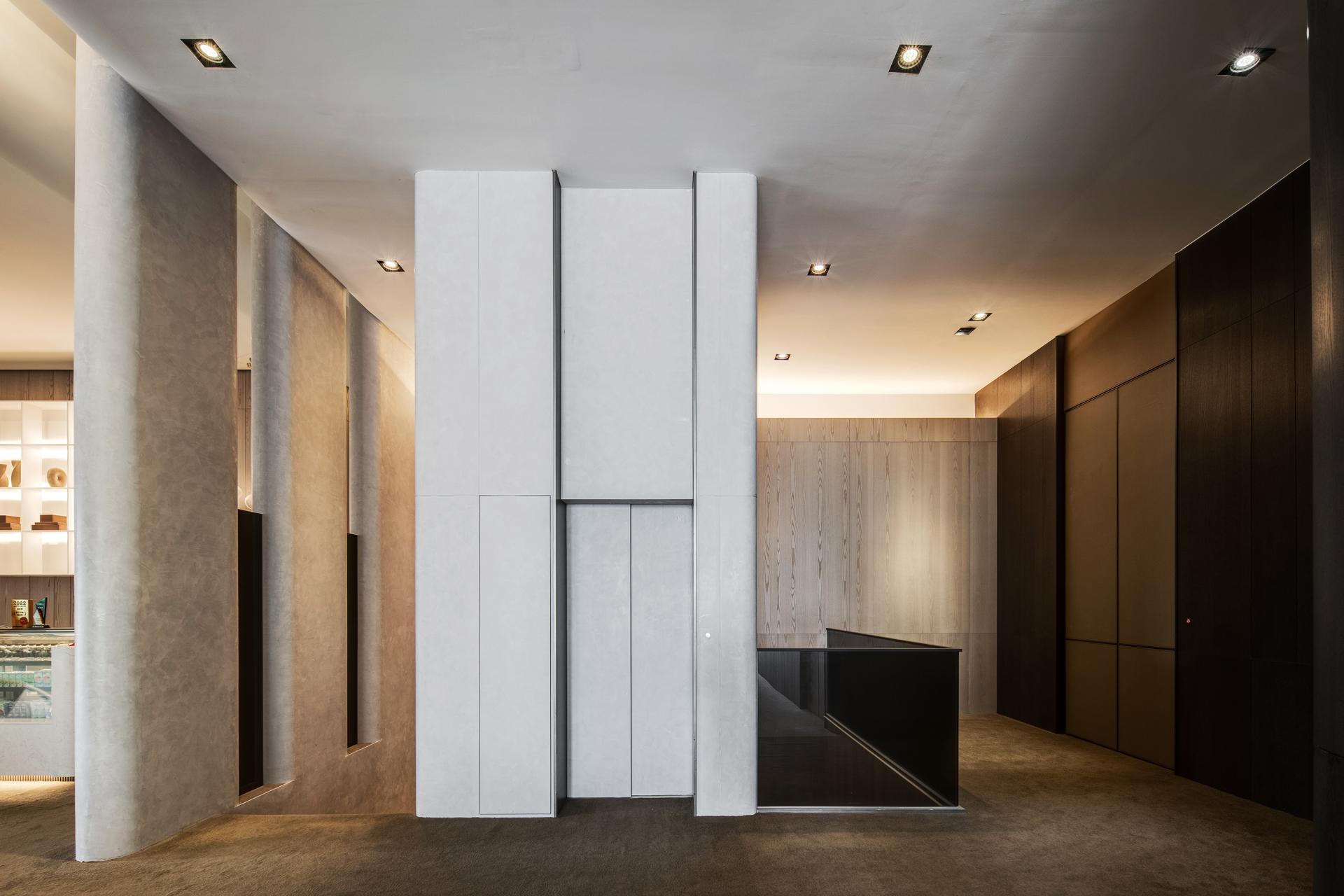
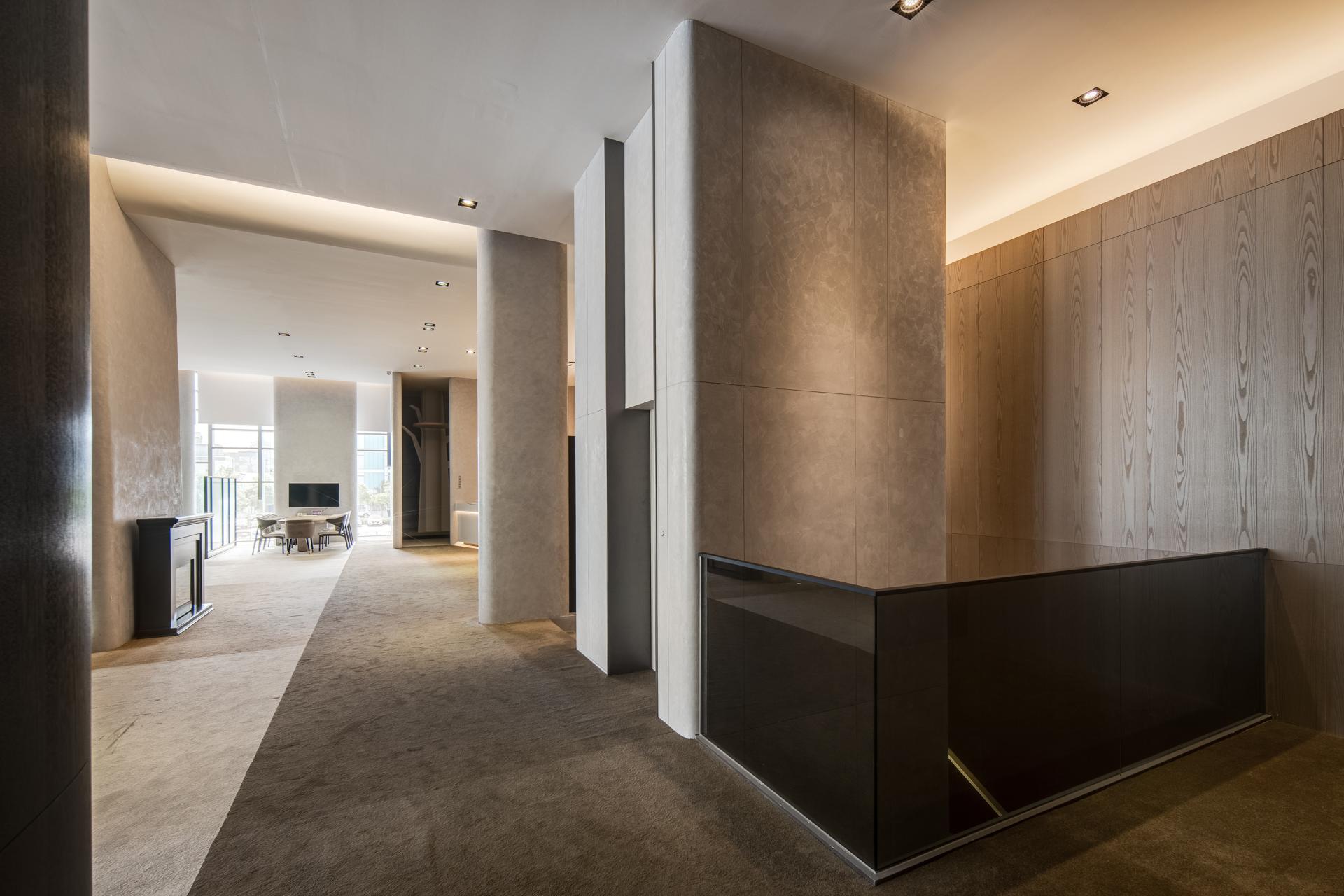
Starting from architectural language, the design integrates curved ceilings, enveloping walls, and structural columns so that different components and elements merge seamlessly, shaping a unified architectural mass. The pure and restrained formal atmosphere articulates a vision of humanity’s pursuit and reverence for the order of future living. Using light and shadow as the medium, the space interprets a rhythm of “movement within stillness.” The wall proportions, narrower at the top and wider at the base, combined with softly curved vaults, create an upward, temple-like sense of reverence. Indirect lighting flows along the architectural surfaces, casting a single beam across expanses of deliberate blankness. Beyond its functional role, light becomes a sculptural medium for the structure, allowing visitors to sense the breathing of the architecture and the pulse of nature’s rhythm as they move through the space.
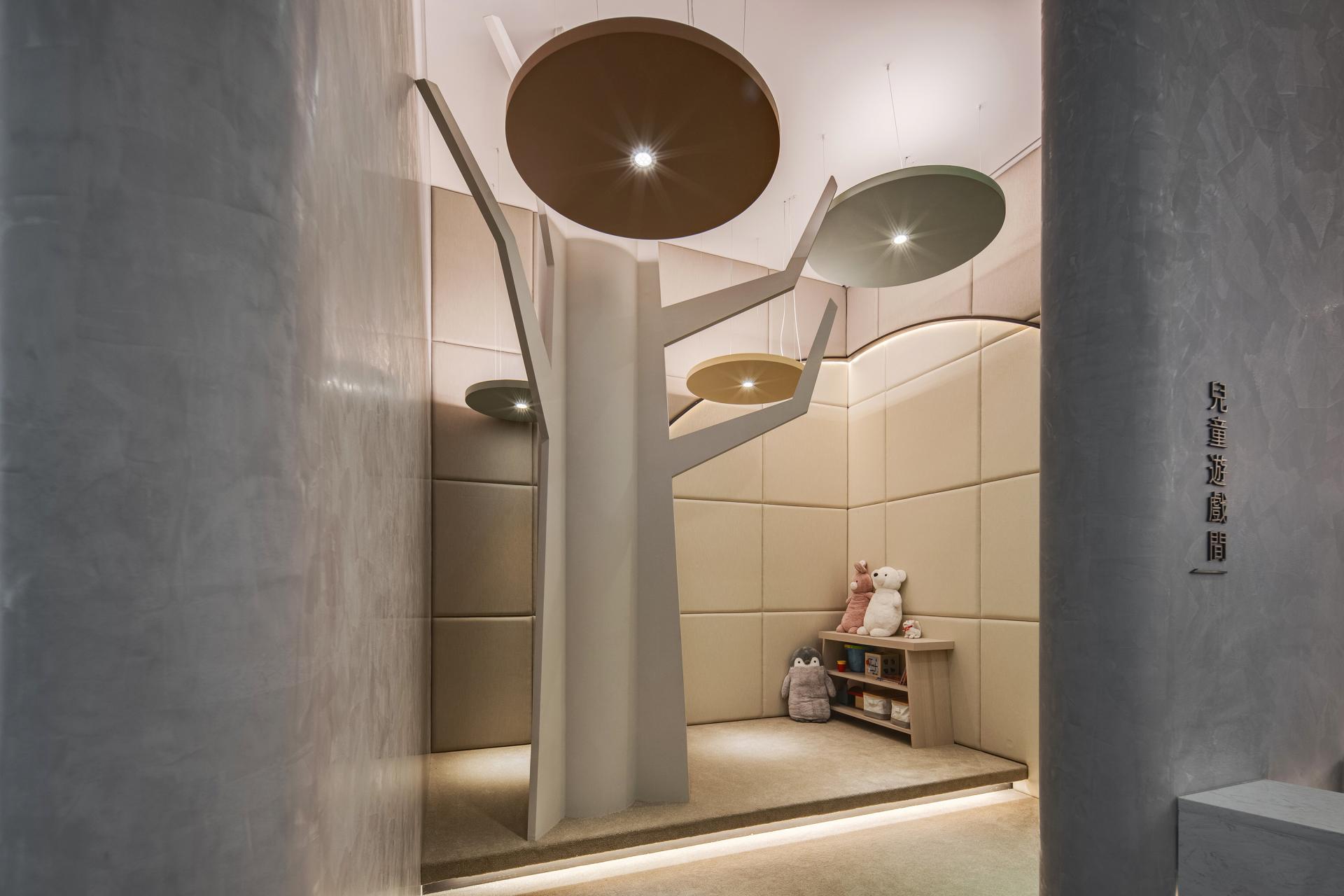
The functional planning centres on “experiential efficiency,” integrating the three primary functions of exhibition, consultation, and relaxation into a flowing circulation that creates an immersive spatial experience. In the central double-height area, three surrounding walls wrap around structural columns to form a strong visual focal point. As visitors move through different zones, they experience a sales environment that conveys the beauty and possibilities of future living. In terms of formal expression, the dialogue between contrasting materials highlights the strength of proportion and structure. The continuous curves linking the walls and ceiling enhance the sense of spatial enclosure, creating an aesthetic tension where rationality and poetic sensibility coexist. Altogether, the architectural language resembles a boundless column, symbolising the fusion of architecture and art, reality and idealism.
Guided by the spatial philosophy of “mobility, recyclability, and continuity,” the design realises the sustainable spirit of temporary architecture. The use of highly recyclable building materials such as sintered stone and paint, combined with modular construction, reduces subsequent maintenance costs, allowing the space to extend its lifespan and demonstrating a commitment to green design.
Credits
Entrant
U-GENE Interior Design
Category
Interior Design - Showroom / Exhibit
Entrant
P.W.DESIGN STUDIO
Category
Interior Design - Residential
Entrant
Harvard Graduate School of Design
Category
Student Design - Residential Architecture
Entrant
CHUAN LIU
Category
Conceptual Design - Public Space