2026 | Professional

Egaligilo
Entrant
BROISSIN
Category
Cultural Architecture - Interactive and Experiential Spaces
Client's Name
BROISSIN
Country / Region
Mexico
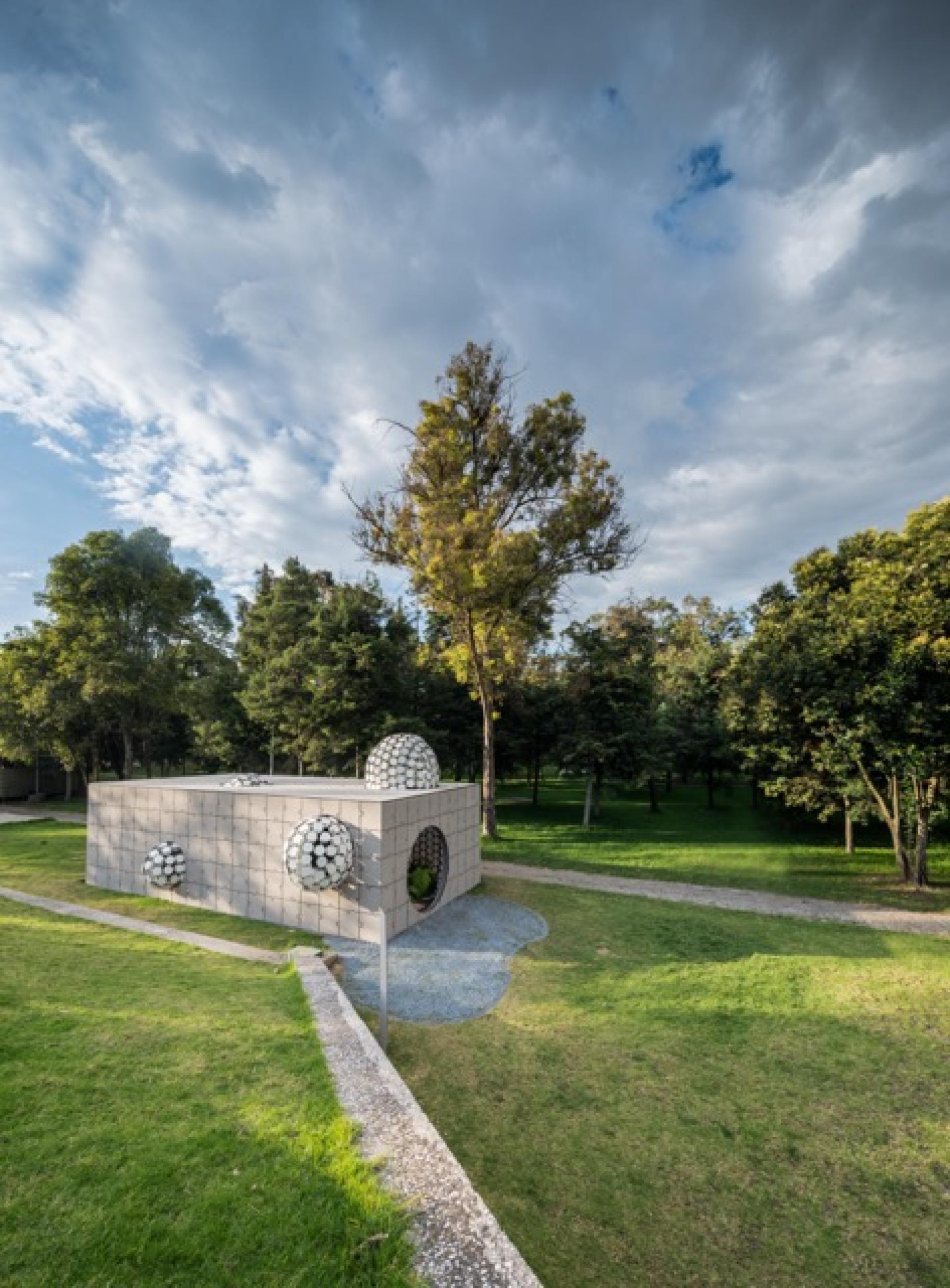
Egaligilo is a 50 m² ephemeral pavilion designed between 2019 and 2020 for the 11th edition of Design Week Mexico, located in the gardens of the Tamayo Museum in Mexico City. Conceived as a temporary intervention, the project explores the intersection of modern and parametric architecture through a lightweight structure that articulates the boundary between public and private space while engaging visitors through light-driven spatial experience.
At first encounter, the pavilion presents a deliberate tension between rational modernist language and expressive parametric form. It operates less as a container and more as a communicative artifact—an architectural gesture that challenges perception. Inserted into a natural context, it initially reads as artificial, yet progressively dissolves into its surroundings through the experience it constructs.
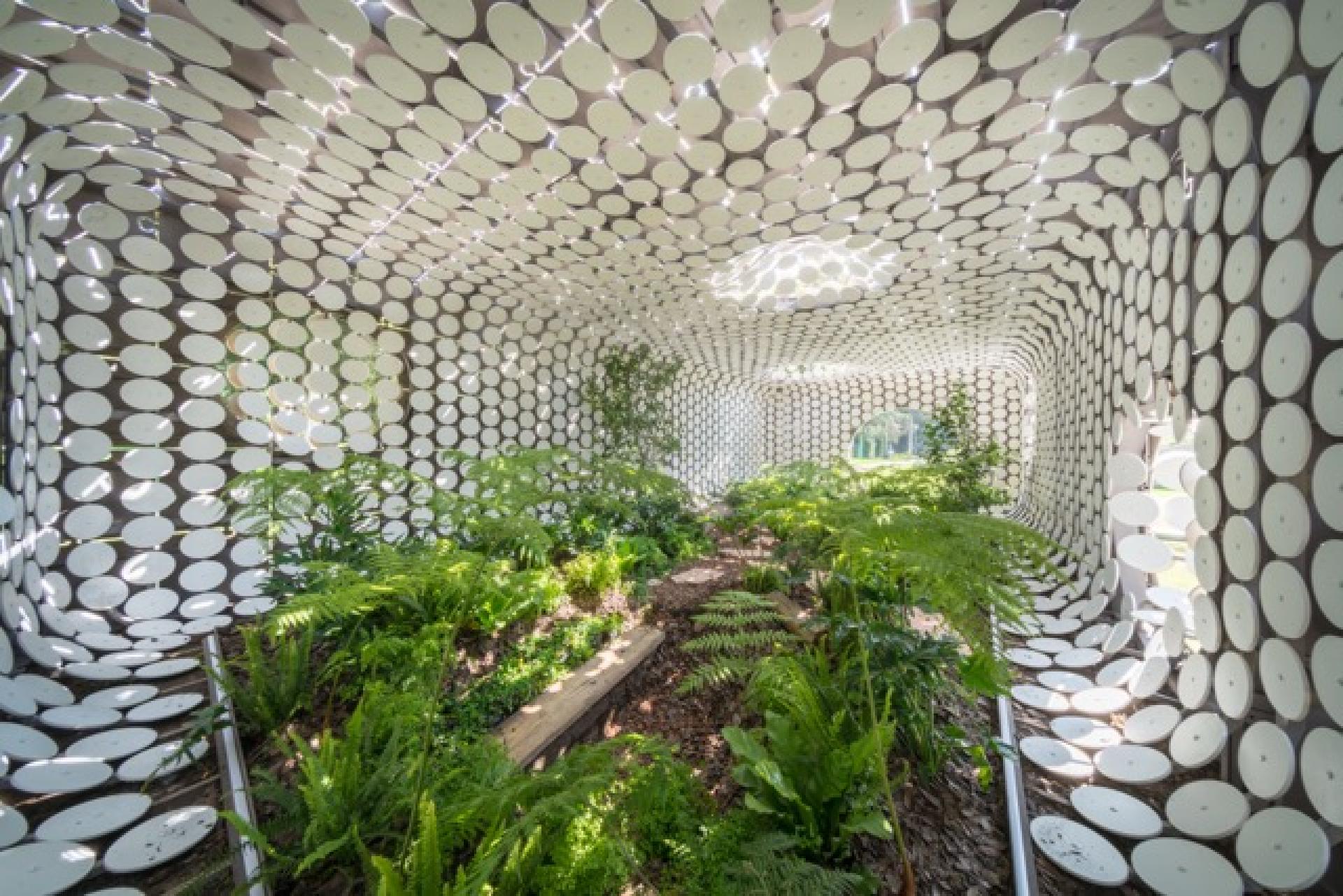
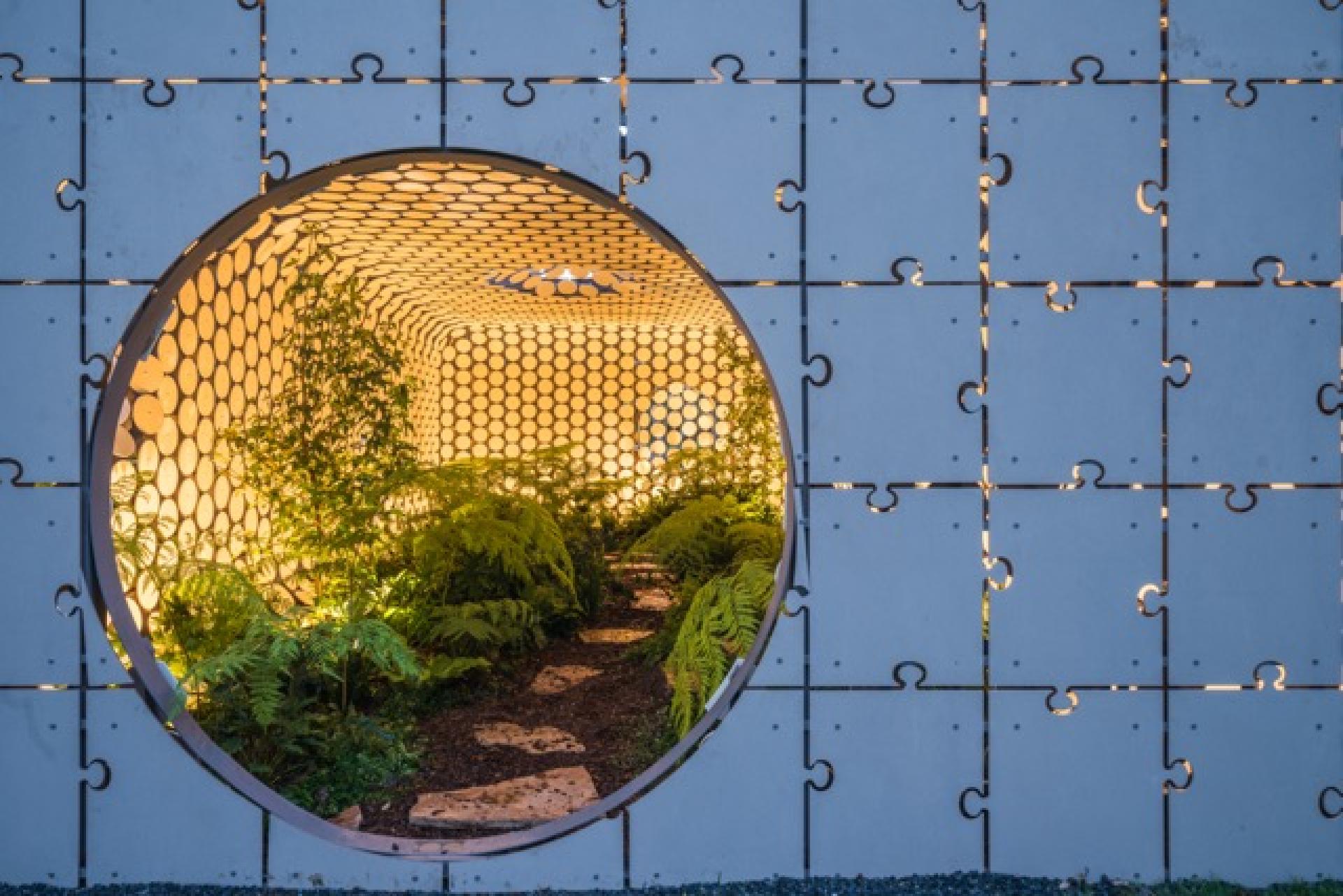
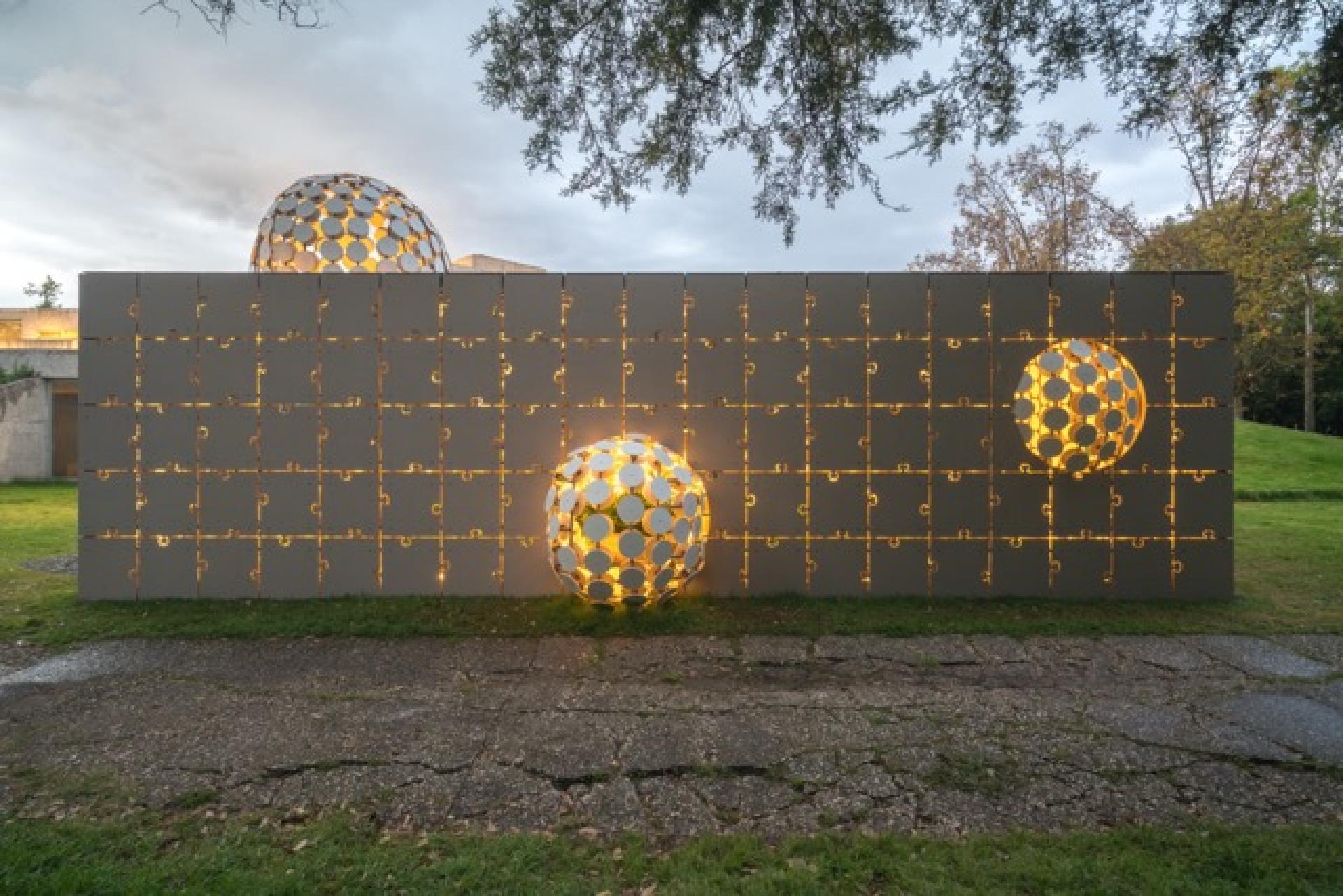
The structure is composed of steel PTR frames clad internally and externally with Equitone fiber cement panels, achieving a balance between material solidity and visual lightness. Fragmented geometries and calibrated openings define a composition that modulates spatial continuity. Within, the pavilion reveals an interior oasis, where symbolism is not imposed but activated through the presence and movement of the visitor.
Light functions as the primary medium of transformation. Natural and artificial illumination interact through controlled apertures, generating shifting atmospheres throughout the day. Surfaces that appear to enclose are selectively permeable, open to light yet resistant to direct visual acces, producing a dialectical condition between exposure and concealment, interior and exterior.
This ambiguity redefines the relationship between public and private space. The visitor is compelled to enter, navigate, and interpret, becoming an active participant in the construction of meaning. Rather than referencing established formal languages, Egaligilo builds its own system of coherence through proportion and relational integrity, evoking a sense of organic vitality that allows the pavilion to transcend its ephemeral nature and persist as an experiential and conceptual statement.

Credits

Entrant
Serebrennikova design
Category
Interior Design - Vintage & Retro Interiors
Entrant
China University of Technology
Category
Student Design - Interior Design
Entrant
Yu Yuan Construction Co., Ltd.
Category
Residential Architecture - Multi-Family and Apartment Buildings
Entrant
Weiran Yin
Category
Conceptual Design - Institutional